Hyperbaric Chambers for Private Homes

For private homes

A hyperbaric chamber,
at home

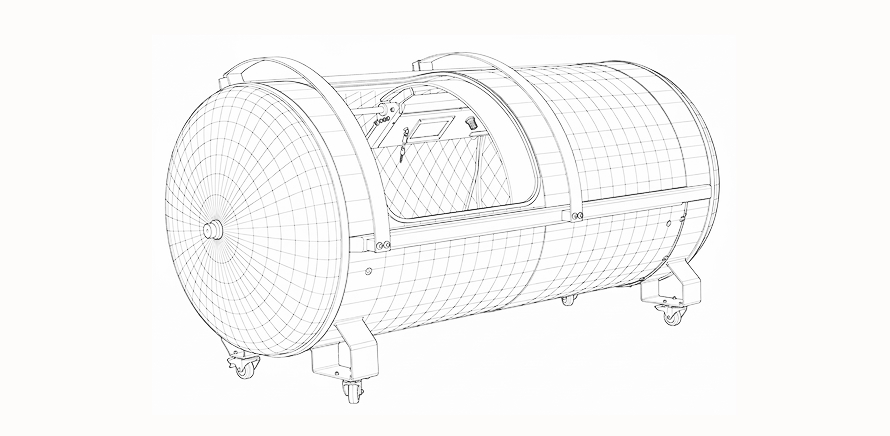
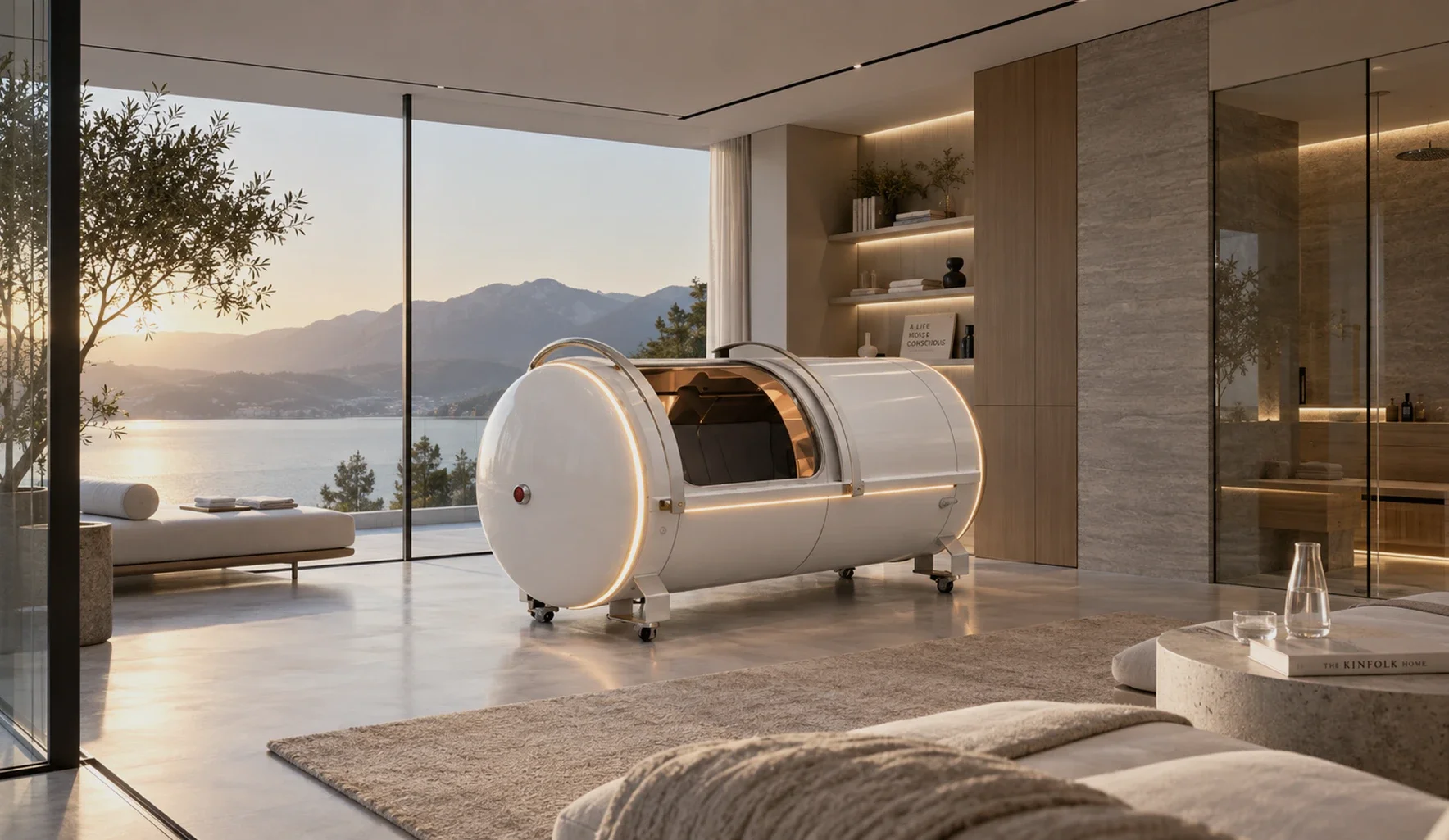
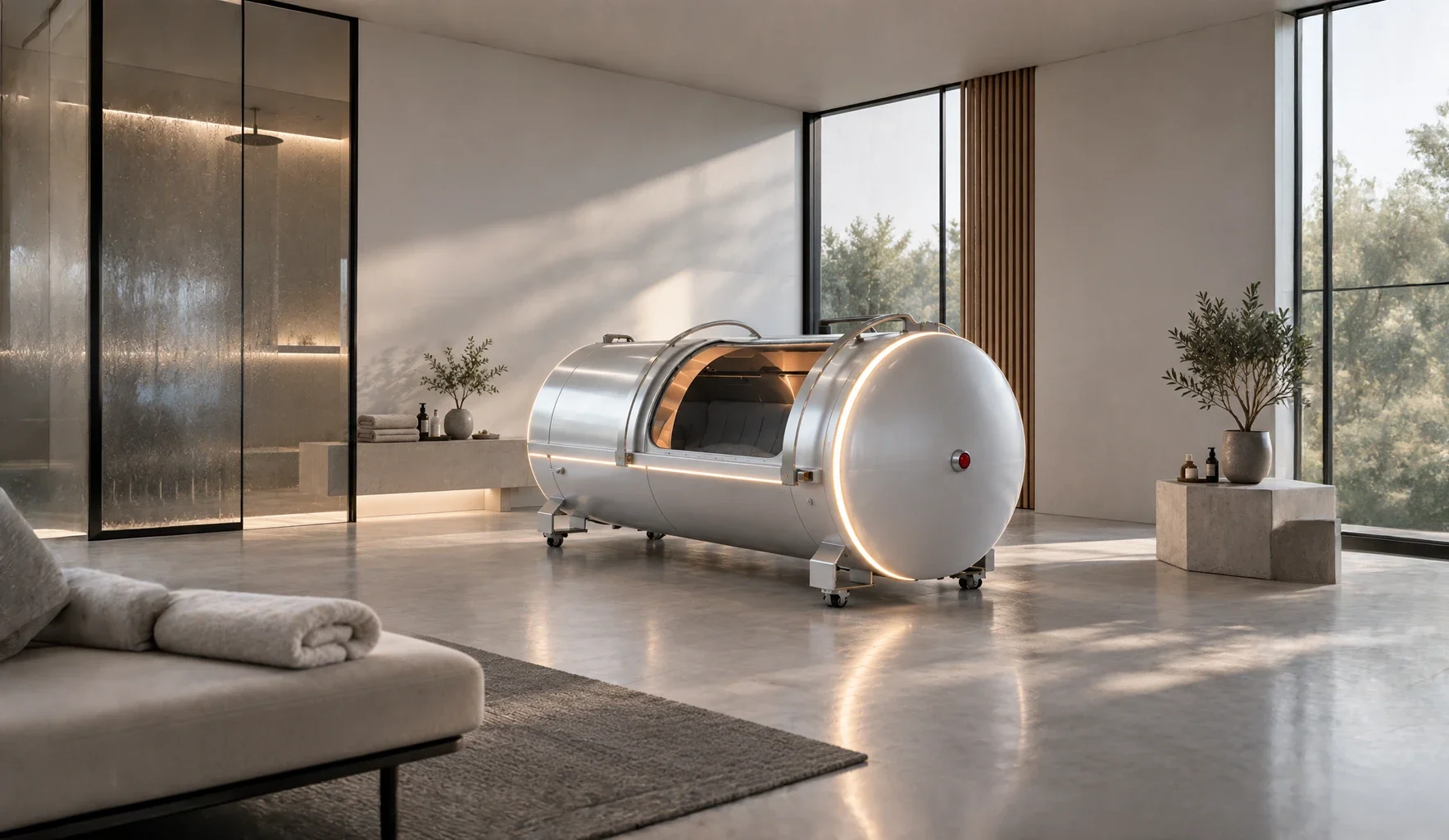
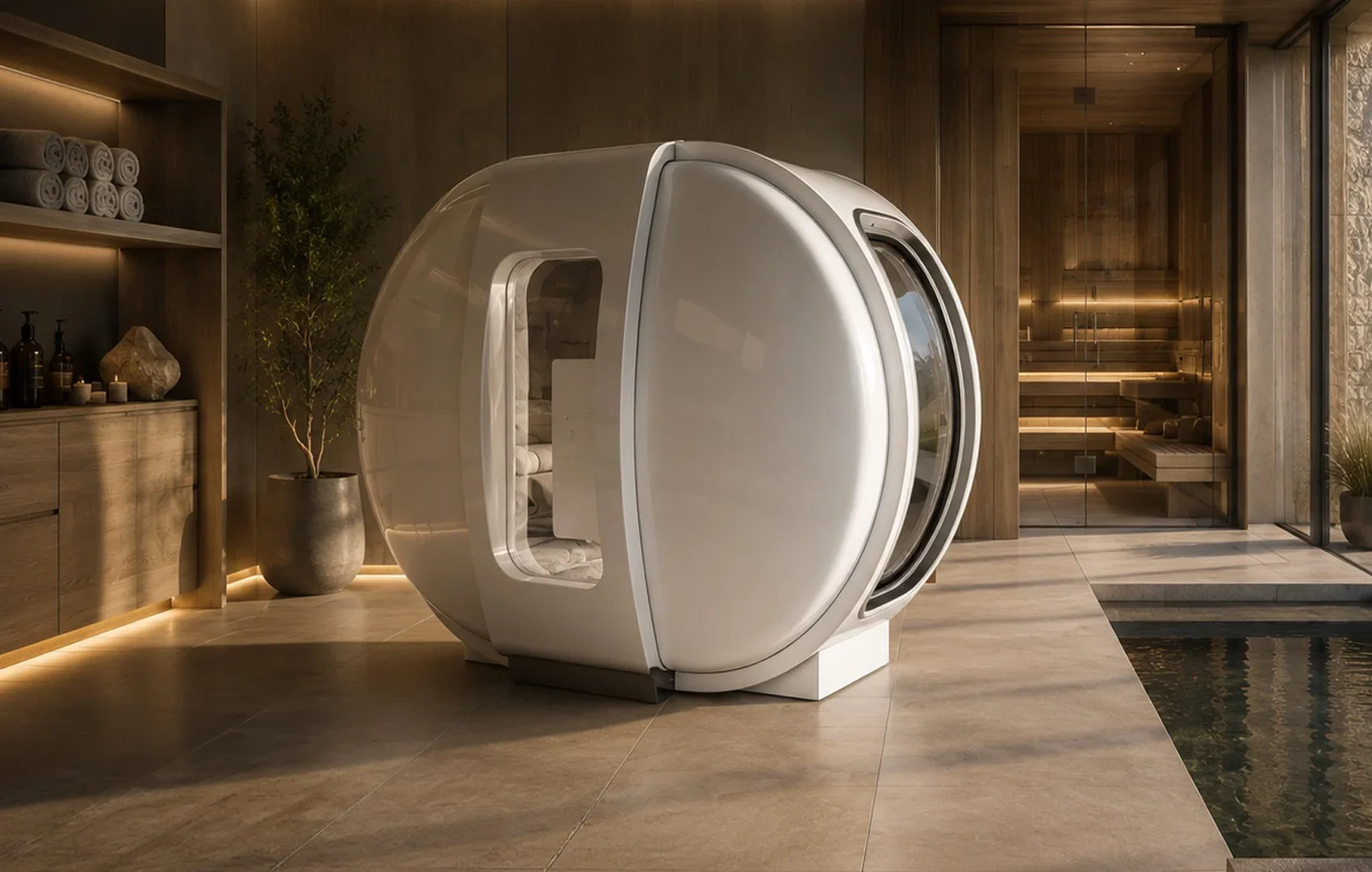
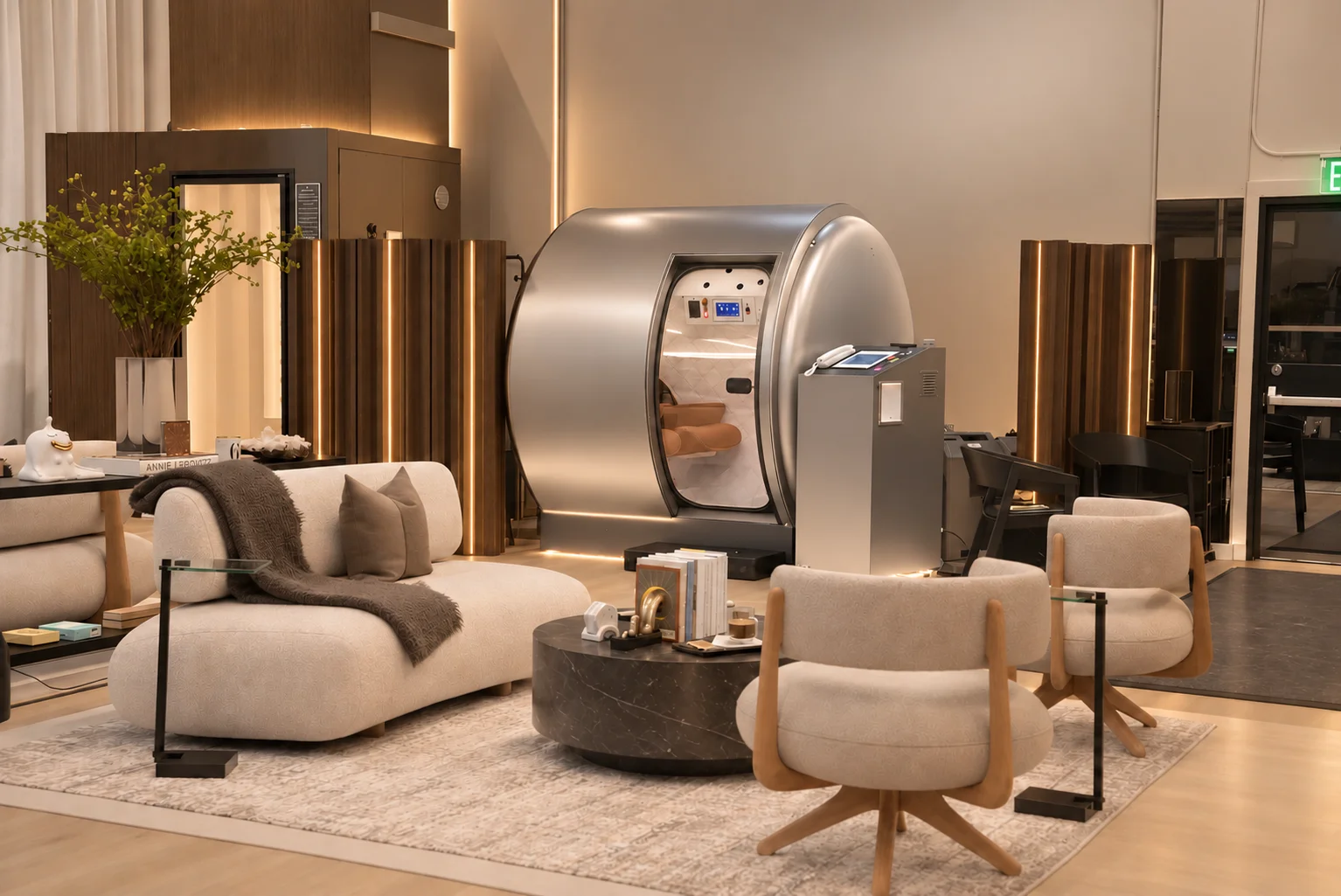
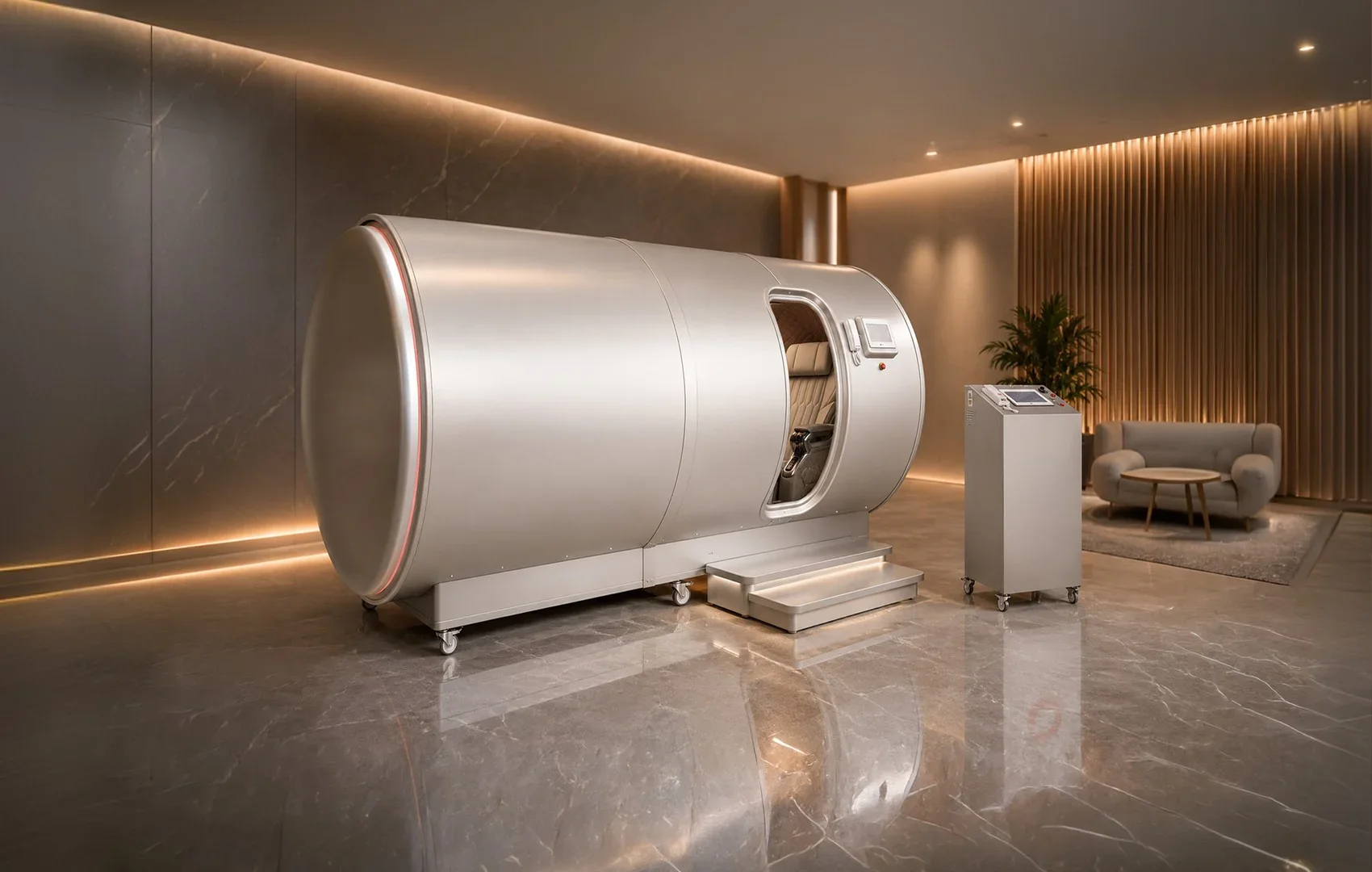
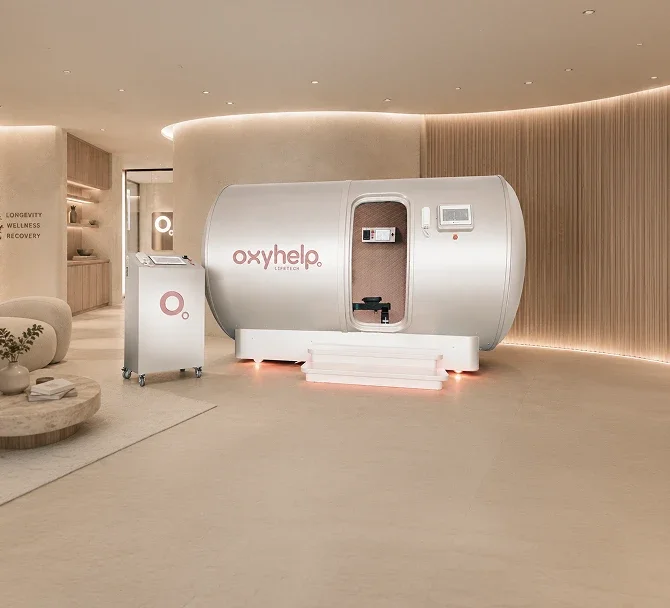
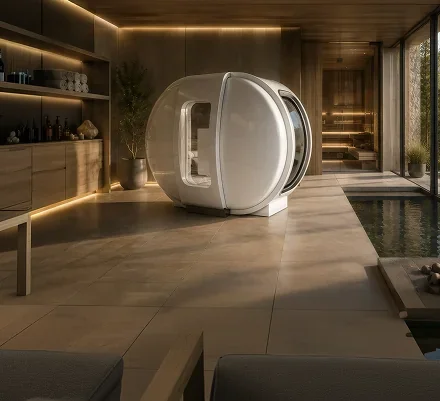
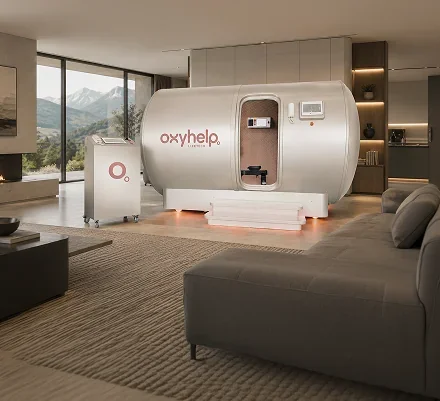
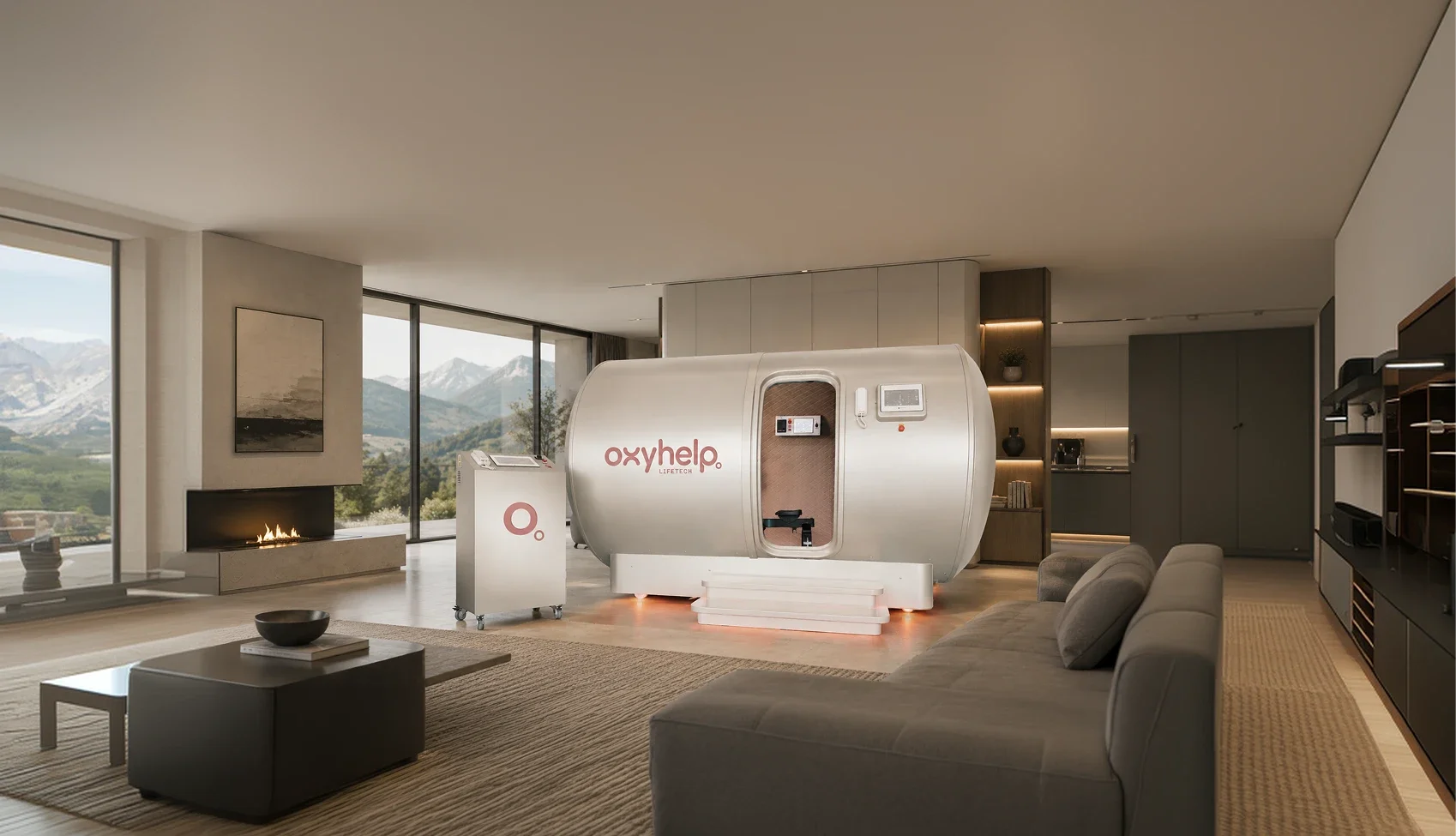
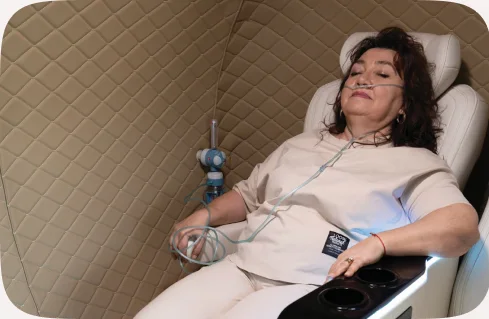
It sits in a furnished room without looking like equipment. Finished to your space, with a mattress and pillow, an interphone and a USB port inside.

2.3 metres and a socket

What does a hyperbaric chamber need at home?

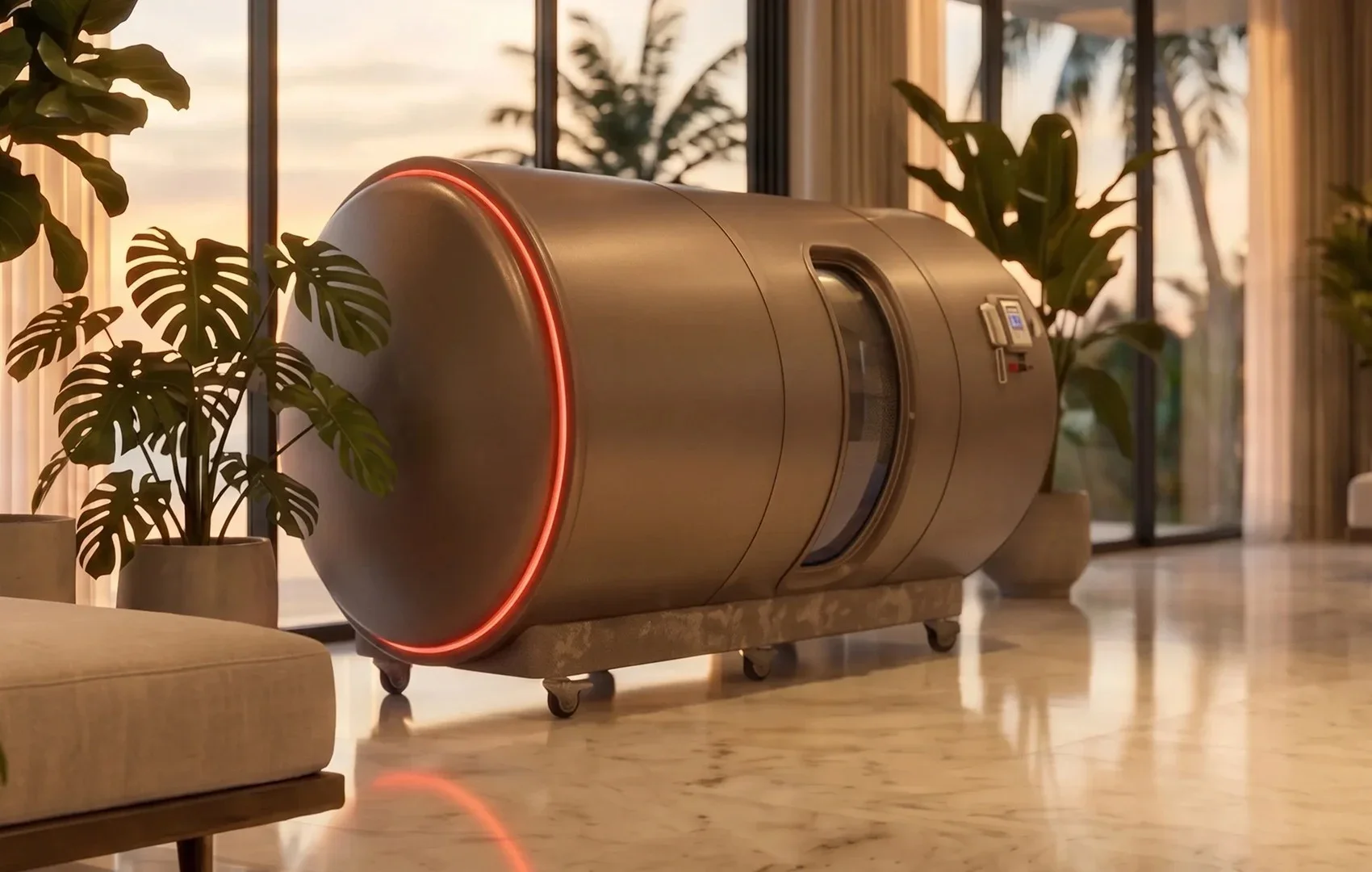
You need about 2.3 m of clear floor and up to a metre of width, on a 110 or 230 V supply. An ordinary indoor climate suits it, 15 to 28 °C at 30 to 75% humidity. The capsule rolls on castors and needs no fixed base.

We build the shell in aluminium, cap it in software at 50 kPa and test it at 150 kPa. Inside, sensors read oxygen and carbon dioxide for the whole session.

We declare our chambers as non-medical wellness devices and make no medical claims. A routine check-up before you start is good practice. If you have a health condition, talk to your doctor first.

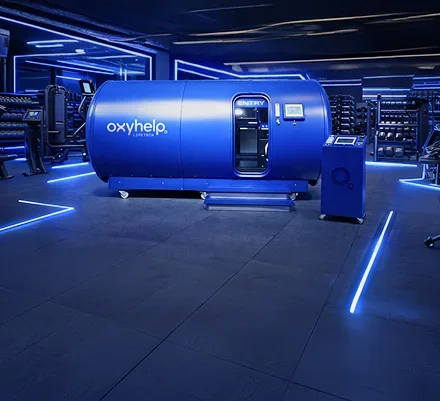
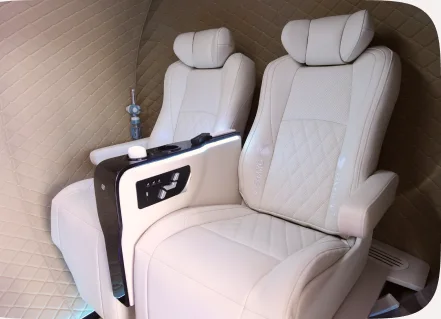
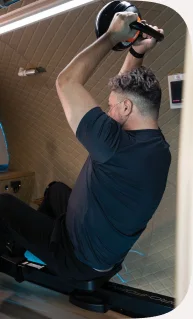
OxyHelp chamber installed in a treatment roomInterior of an OxyHelp chamber, seats and controls
Benefits

Is one worth owning at home?

Only if you use it. If you would not reach for it most weeks, book a session at a partner location first.

  1. Nothing to book

    You use it when the day allows it. No appointment, no drive across town.

  2. Mild pressure

    Wellness use sits at a gentle 1.3 to 1.5 ATA, comfortable enough for daily use.

  3. The air keeps moving

    Fresh air in, stale air out, the whole session. Nothing heavy builds up around you.

  4. Nobody has to stand by

    Whoever is inside can stop a session at any moment. Nobody needs to sit outside and watch.

  5. Service where it stands

    Our own engineers work across the EU and fix a chamber in the room it lives in.

Two screens and a slow ramp

What is a session like?

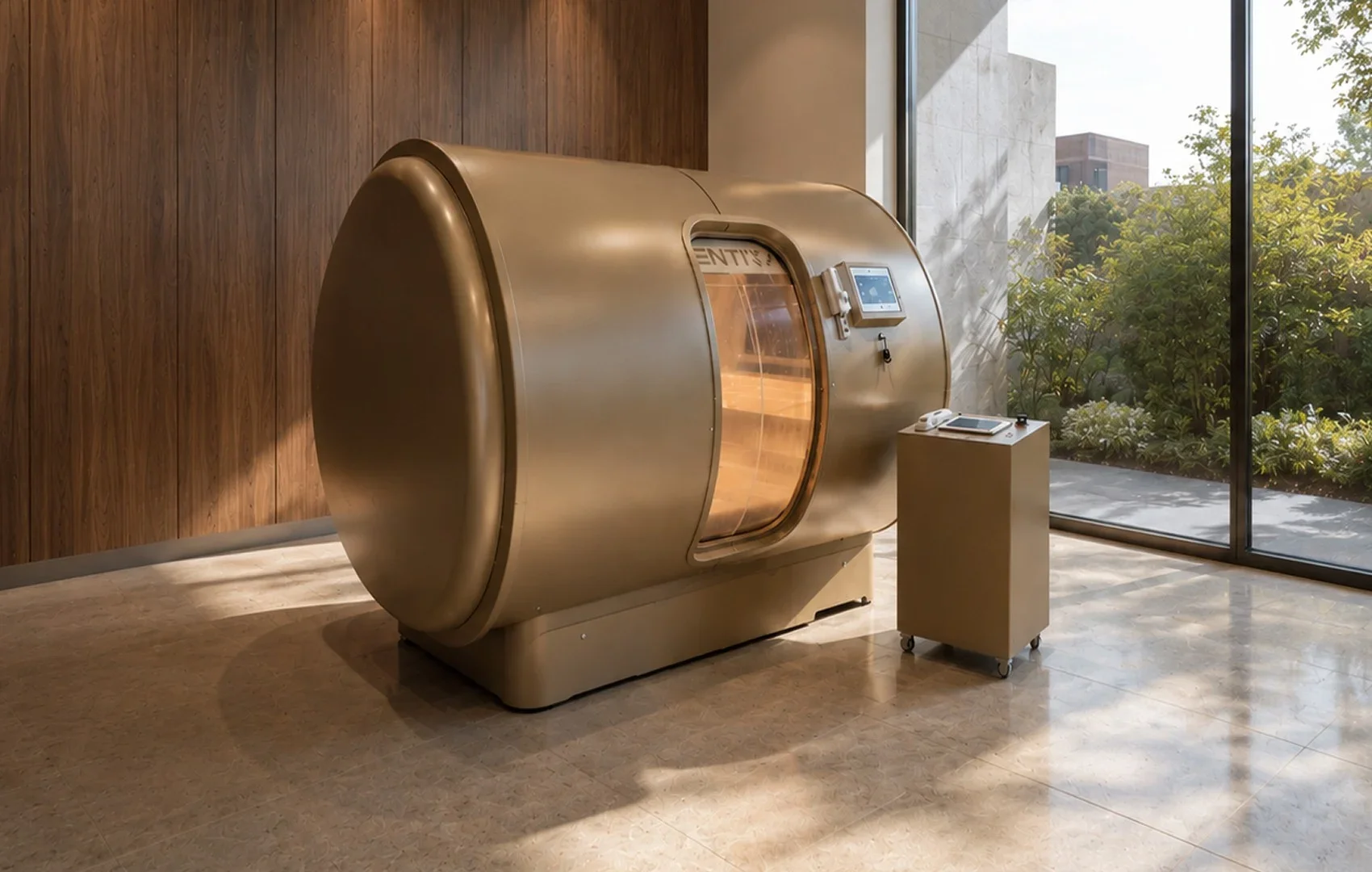
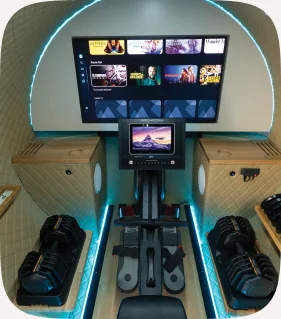
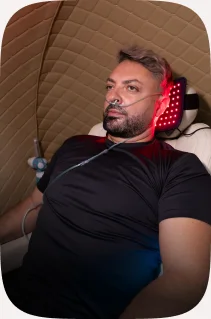
OxyHelp chamber seen from the sideChamber interior with seatingControl panel of the chamberChamber door and frame detail

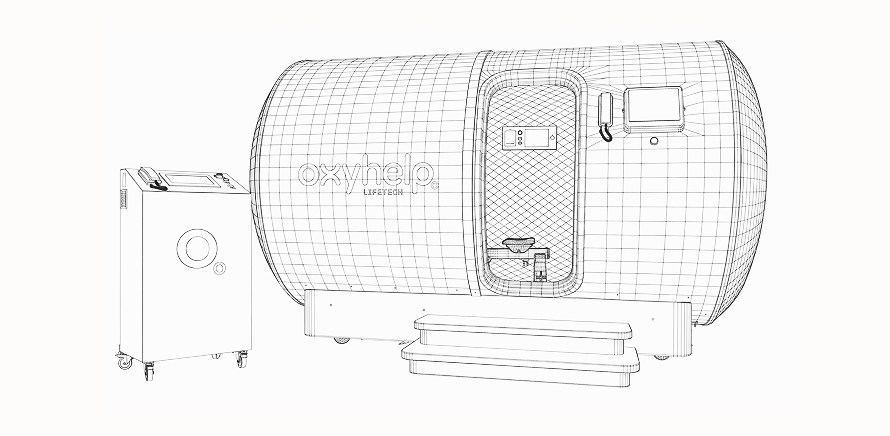
You set the time and the ramp speed on the touchscreen outside, then press start on the panel inside. Pressure climbs gradually, with automatic ear pressure relief on the way up. At the set time it comes back down on a slow ramp, around eight minutes. Add the optional cooler and the cabin stays comfortable on a long session.

The range

Which chamber fits
your home?

You pick between two shells, 80 and 90 cm in diameter, both 2322 mm long and 175 to 195 kg. Take the wider one if you feel closed in easily. For a walk-in you share with other people, look at the OxyLife C line, which goes together on site from modules and seats one to six depending on the model.

Compact personal HBOT

OxyLife I 80

Single-seat capsules in two diameters, 80 and 90 cm. The wider shell is there for people who feel closed in and would otherwise skip sessions.

Capacity
1 person
Dimensions
2322 × 889 × 889 mm
Internal volume
1060 L
Weight
175 kg
Module build
Standard
Compact personal HBOT

OxyLife I 90

Single-seat capsules in two diameters, 80 and 90 cm. The wider shell is there for people who feel closed in and would otherwise skip sessions.

Capacity
1 person
Dimensions
2322 × 985 × 985 mm
Internal volume
1350 L
Weight
195 kg
Module build
Standard
Modular multiplace chambers

OxyLife C1 E

Five multiplace chambers, assembled on site from 76 cm modules. For locations where the chamber cannot be delivered in one piece.

Capacity
1 person
Dimensions
2707 × 1528 × 1982 mm
Internal volume
4730 L
Weight
850 kg
Module build
Standard
Modular multiplace chambers

OxyLife C2

Five multiplace chambers, assembled on site from 76 cm modules. For locations where the chamber cannot be delivered in one piece.

Capacity
1–2 persons
Dimensions
2188 × 1962 × 1974 mm
Internal volume
5030 L
Weight
670 kg
Module build
Standard or Split
Modular multiplace chambers

OxyLife C3

Five multiplace chambers, assembled on site from 76 cm modules. For locations where the chamber cannot be delivered in one piece.

Capacity
1–4 persons
Dimensions
2948 × 1962 × 1974 mm
Internal volume
7010 L
Weight
1100 kg
Module build
Standard or Split
Modular multiplace chambers

OxyLife C4

Five multiplace chambers, assembled on site from 76 cm modules. For locations where the chamber cannot be delivered in one piece.

Capacity
1–4 persons
Dimensions
3708 × 1962 × 1974 mm
Internal volume
8980 L
Weight
1450 kg
Module build
Standard or Split
Modular multiplace chambers

OxyLife C5

Five multiplace chambers, assembled on site from 76 cm modules. For locations where the chamber cannot be delivered in one piece.

Capacity
1–6 persons
Dimensions
4468 × 1962 × 1974 mm
Internal volume
10960 L
Weight
1650 kg
Module build
Standard or Split
Published research

What the published research says

None of these papers studied an OxyHelp chamber. They are published work on hyperbaric oxygen in general, including results that call for caution. Read each one for what it measured, and for the limits it carries.

Published

Mild hyperbaric and clinical hyperbaric are not the same thing

Medical Sciences

A narrative review: clinical hyperbaric therapy and mild, low-pressure sessions differ in pressure, oxygen and rules, so results from one do not carry over to the other. The authors run a hyperbaric clinic.

Published

Blood pressure after 45 minutes at 1.3 ATA

Journal of Physical Therapy Science

Ten healthy adults, 45 minutes at 1.3 ATA with about 30% oxygen. Heart rate fell, and blood pressure rose more than on the control day. The author advises attention for people with high blood pressure.

Published

A trial in healthy adults over 64

Aging

63 healthy adults over 64: 60 hospital sessions of 100% oxygen at 2 ATA, above the wellness range, or no intervention. Attention and processing speed improved. No sham group, as the authors note.

Published

Side effects across 24 randomised trials

Frontiers in Medicine

A meta-analysis of 24 randomised trials, 1,497 participants. Side effects: 30.11% in hyperbaric groups against 10.43% in controls, mostly ear discomfort. More common above 2.0 ATA and past 10 sessions.

Published

How evenly a chamber clears its own air

Diving and Hyperbaric Medicine

Researchers traced fresh gas through a hospital multiplace chamber and found under-ventilated pockets that a simple well-stirred model misses. They used oxygen as a tracer and did not measure CO2.

Built-in safety

The numbers that keep you safe

Controller unit

One touchscreen runs everything: pressure, session time, cooling. Set it outside, press start inside. Nothing to learn twice.

Pressurization
Automated, gradual
External control
Color touchscreen
Internal control
Start / Stop, cooling
Ear equalizer
Manual or automatic

Safety & verification

Every layer is doubled: manual and software protection, stop buttons inside and out, and a chamber that releases itself if power ever fails.

Overpressure protection
Manual + software
QuickStop button
Inside & out
Emergency depressurization
40 seconds
Power failure
Auto-depressurizes
Incidents to date
0

Pressure & oxygen

A gentle 1.5 ATA by design, on a shell tested well beyond it. Oxygen comes from a concentrator, no cylinders, no refills. Airflow is calculated from the metabolism of the people inside, not set to a fixed rate.

Tested at
2.4 ATA
Oxygen
32%, via mask/cannula
Source
Concentrator, no cylinders
Ventilation
Sized by metabolism
FAQ

Questions before you buy

We deliver the capsule in one piece. The doorway has to clear the shell, not the size in its name. The I80 measures 889 mm across the outside and the I90 985 mm. Measure the narrowest point of the whole route in, doorways, turns and lift included. Where no route works, our engineers plan an OxyLife C room by room.

The price covers the OxyLife I chamber body and its control unit. We configure accessories such as the cooler separately, and you pay for the ones your setup needs. Every chamber comes with two years of warranty, which you can extend at purchase. For a figure on your configuration, talk to a specialist.

Very little. The one part we expect to wear is the entrance trim seal, which you change at three to four years. That is a two-hour job, and we send you the part and the video. Day to day you wipe it down with a neutral detergent.

We pressurise the chamber with ordinary air. The extra oxygen reaches you through a mask, fed by a concentrator that separates it out of the room. Standard feeding nozzles inside connect to any type of mask. Source one you find comfortable locally.

The chamber depressurises itself the moment the power fails, and you can open the door by hand from inside at any time. There are stop buttons inside and out, manual and software protection against overpressure, and an emergency release that brings pressure down in around 40 seconds.

Discover our professional products

Download the
brochure

The full OxyLife range in one PDF. Every model, every spec, every certification, with the detail your team wants before a conversation.

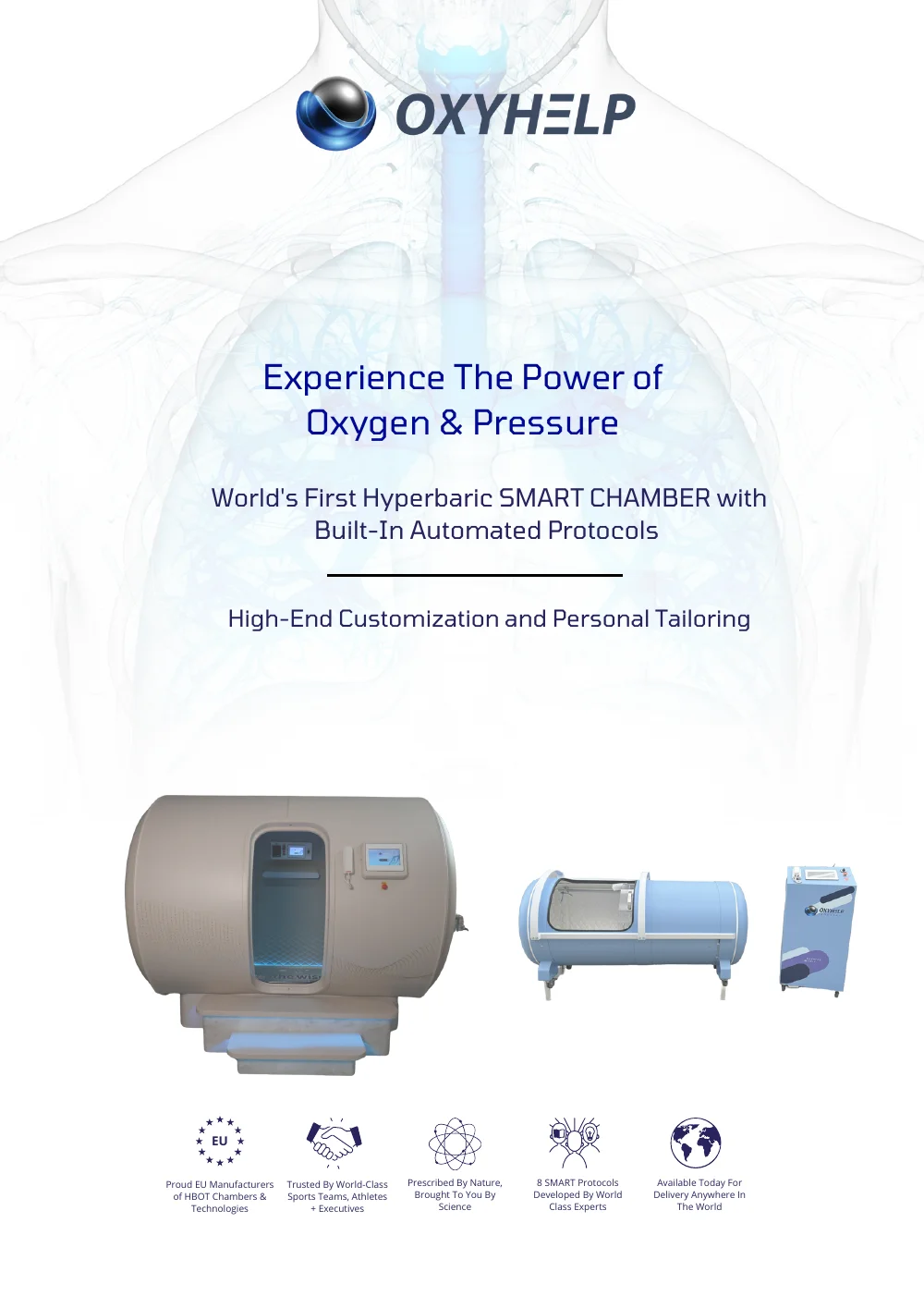
Cover of the OxyHelp brochure: the OxyLife chamber range, Experience the power of oxygen and pressure
Why customers choose us

Easy to install.
Low-maintenance.
Worldwide service.
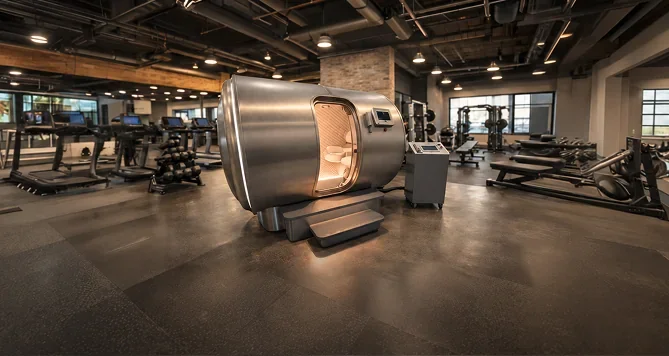
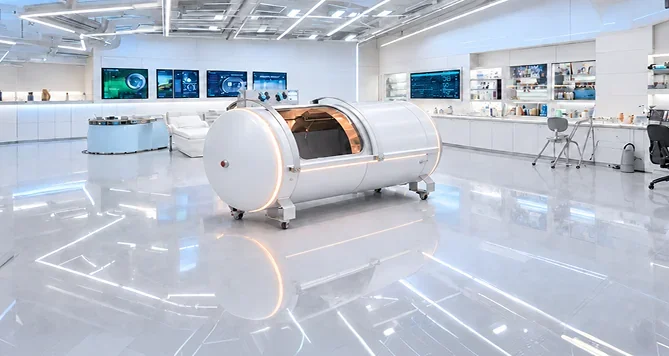
Adaptable for any business.

Write to us

Send us a message

We’d love to hear from you. Fill out the form and we’ll get back to you as soon as possible.

Download

Tell us who you are and the download starts right away.