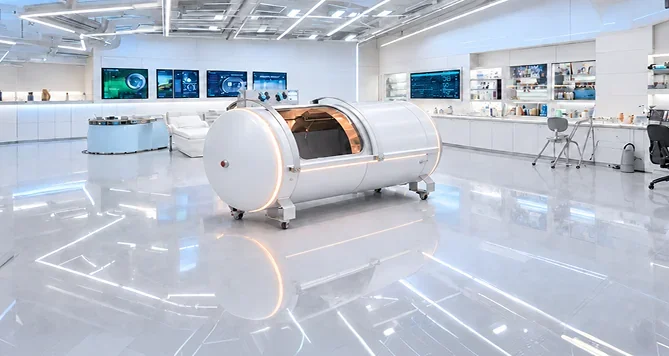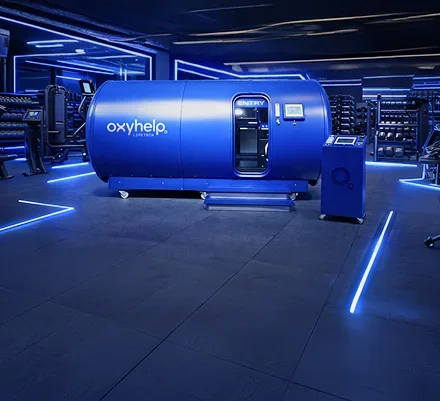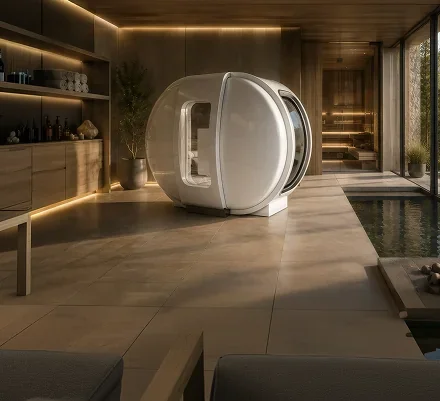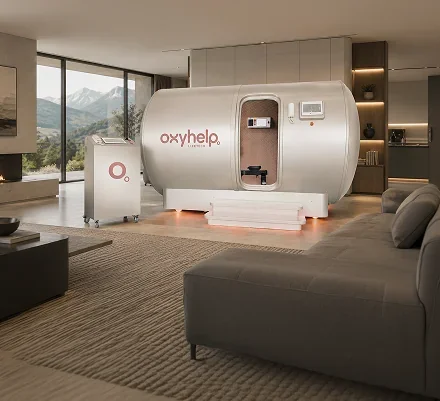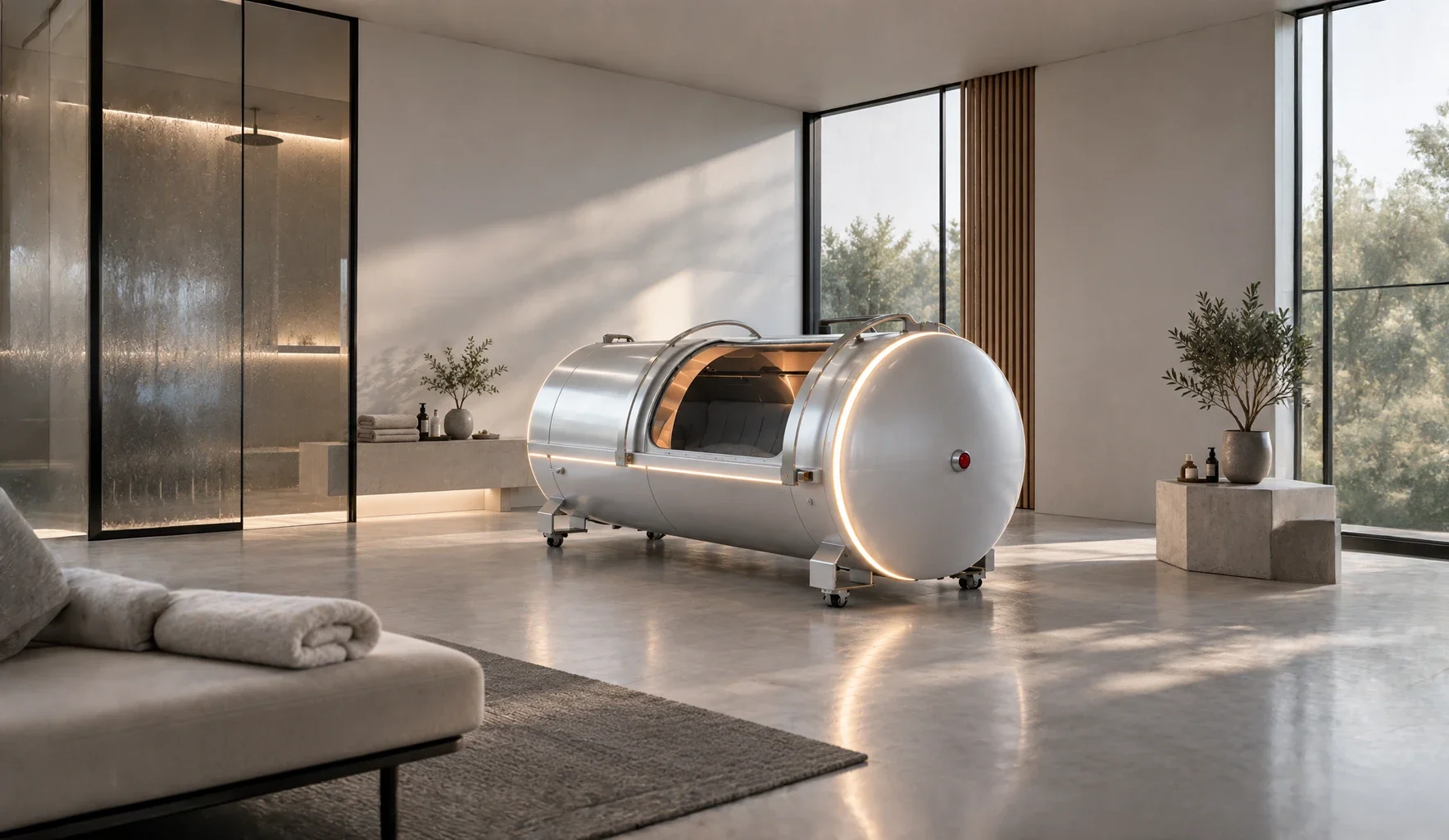
OxyLife I Monoplace Hyperbaric Chamber for Home Use

Compact personal HBOT

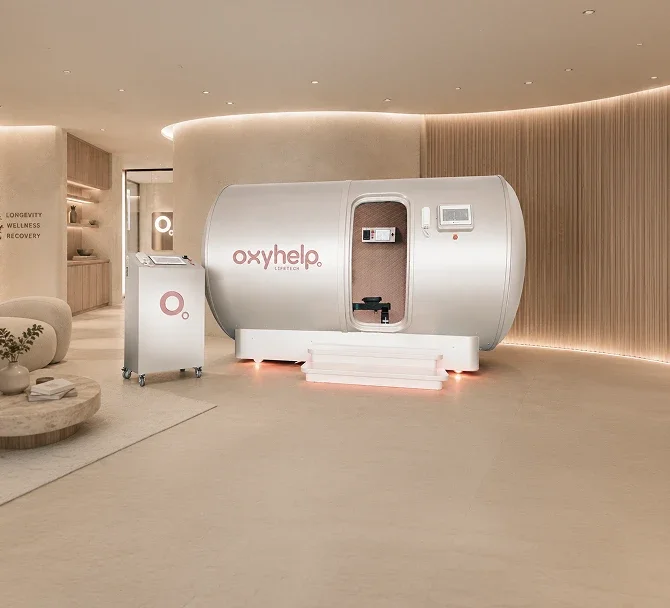
OxyLife I

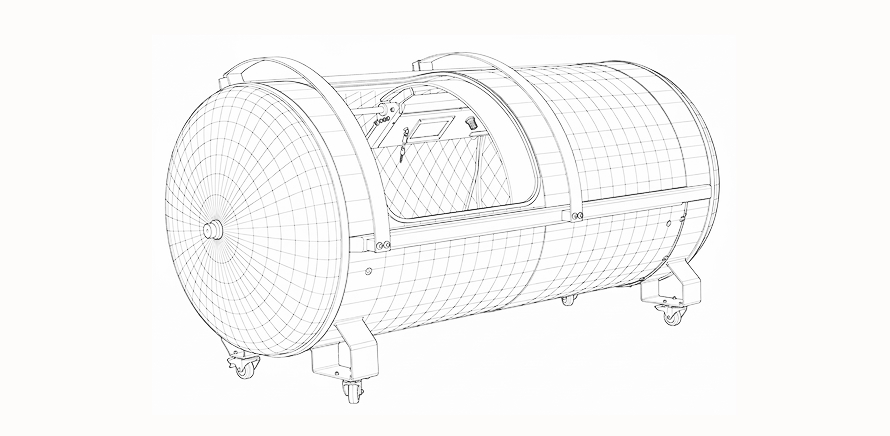
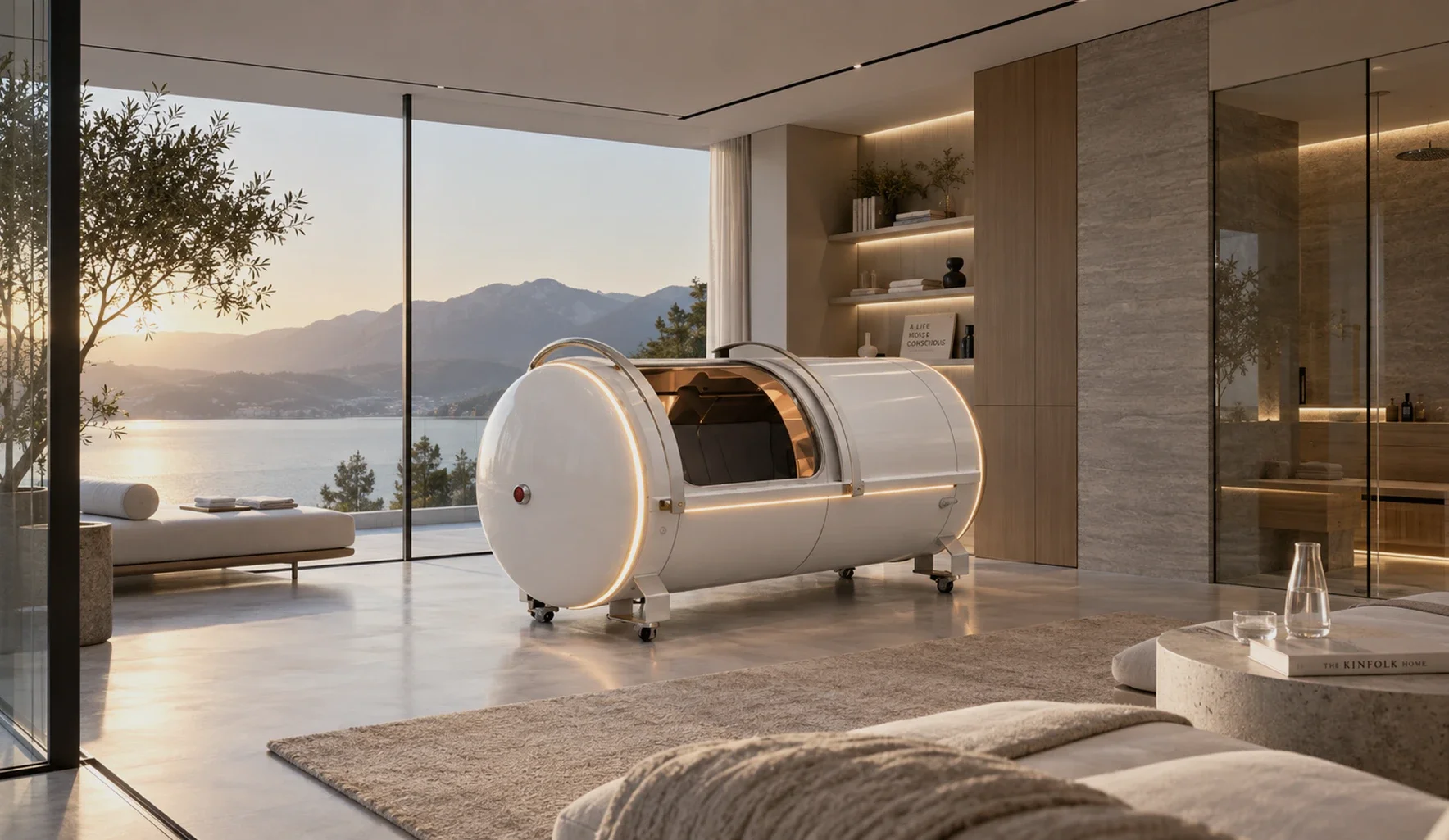
Single-seat capsules in two diameters, 80 and 90 cm. The wider shell is there for people who feel closed in and would otherwise skip sessions.

Specifications

Chamber structure, color
Aluminum, White
Setting pressure (kPa)
Limited to 50 kPa (tested up to 150 kPa)
Capacity
1 person (by configuration)
Length
2322 mm
Internal volume
1060–1350 L
Weight
175–195 kg
External display
10″ Color touch screen
Interior display
7,5″ Color touch screen
Oxygen concentration
Up to 32% (built-in concentrator)
Air filtration
Two-layer, 0.05 + 0.01 µm
Automatic ear pressure relief
AUTO
Mattress and pillow
Included
15 years of HBOT expertise3,100+ chambers installed worldwide5,000,000+ cumulative user hoursZero safety incidentsCE certified · trusted by medical professionals
Defining the new standard

Hyperbaric chambers models

Modular, safe, low-maintenance technology, built for clinics, sports centres and private homes.

Compact personal HBOT

OxyLife I 80

Single-seat capsules in two diameters, 80 and 90 cm. The wider shell is there for people who feel closed in and would otherwise skip sessions.

Capacity
1 person
Dimensions
2322 × 889 × 889 mm
Internal volume
1060 L
Weight
175 kg
Module build
Standard
Compact personal HBOT

OxyLife I 90

Single-seat capsules in two diameters, 80 and 90 cm. The wider shell is there for people who feel closed in and would otherwise skip sessions.

Capacity
1 person
Dimensions
2322 × 985 × 985 mm
Internal volume
1350 L
Weight
195 kg
Module build
Standard
Compare the models

Same standard. Different sizes.

From I 80 to I 90, every chamber shares the same engineering: the same shell, the same controls, the same safety. What changes is how many people fit inside.

OxyLife I80

OxyLife I 80

Capacity: 1 person
Dimensions (L × W × H): 2322 × 889 × 889 mm
Internal volume: 1060 L
Weight: 175 kg
Module build: Standard
OxyLife I90

OxyLife I 90

Capacity: 1 person
Dimensions (L × W × H): 2322 × 985 × 985 mm
Internal volume: 1350 L
Weight: 195 kg
Module build: Standard
Built-in safety

The numbers that keep you safe

Controller unit

One touchscreen runs everything: pressure, session time, cooling. Set it outside, press start inside. Nothing to learn twice.

Pressurization
Automated, gradual
External control
Color touchscreen
Internal control
Start / Stop, cooling
Ear equalizer
Manual or automatic

Safety & verification

Every layer is doubled: manual and software protection, stop buttons inside and out, and a chamber that releases itself if power ever fails.

Overpressure protection
Manual + software
QuickStop button
Inside & out
Emergency depressurization
40 seconds
Power failure
Auto-depressurizes
Incidents to date
0

Pressure & oxygen

A gentle 1.5 ATA by design, on a shell tested well beyond it. Oxygen comes from a concentrator, no cylinders, no refills. Airflow is calculated from the metabolism of the people inside, not set to a fixed rate.

Tested at
2.4 ATA
Oxygen
32%, via mask/cannula
Source
Concentrator, no cylinders
Ventilation
Sized by metabolism
Hyperbaric oxygen

How oxygen
improves your life

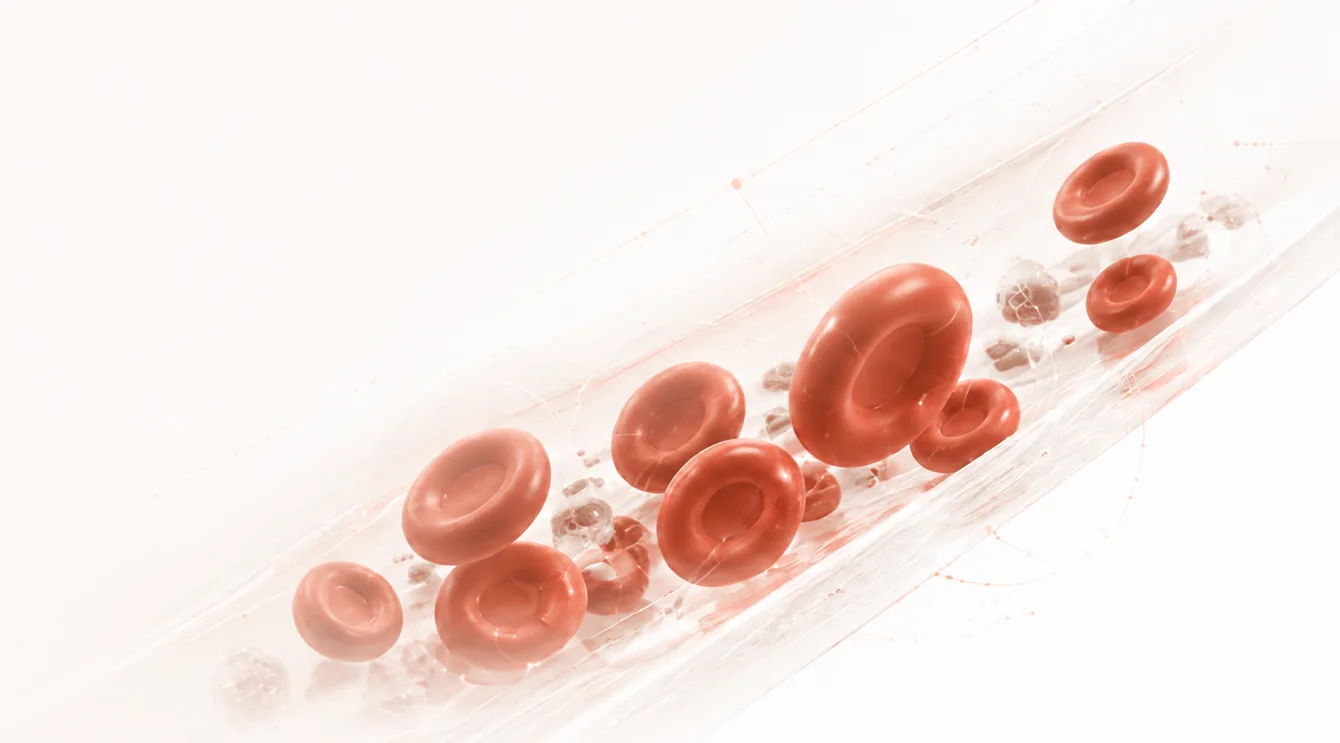
  • Red blood cells flowing through a small vessel

    Circulation

    More oxygen, deeper in

    Under pressure, more oxygen dissolves into your plasma and reaches the small vessels ordinary breathing struggles to supply. Well-fed tissue is how the body handles its everyday work.

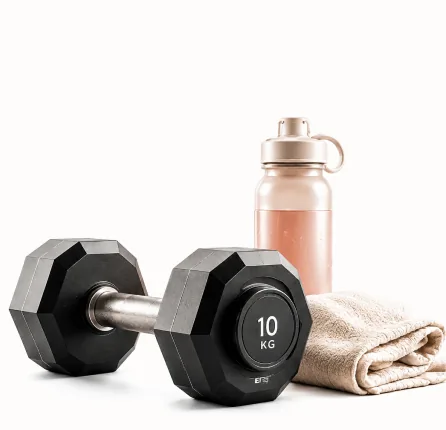
  • Dumbbell, water bottle and folded towel

    Recovery

    Faster turnaround after training

    The reset you feel between hard sessions. Built into the routine you already keep, so you come back sharper instead of sorer.

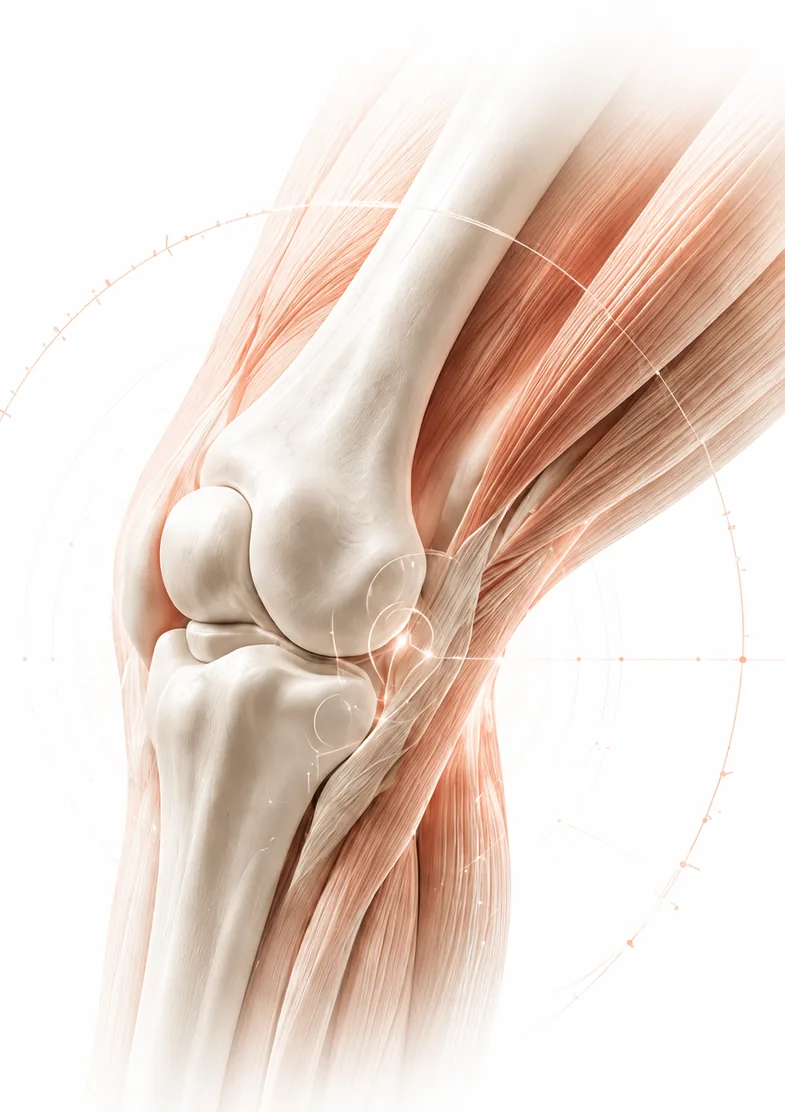
  • Anatomical view of a knee joint and the surrounding muscle

    Resilience

    Support where the wear adds up

    Useful after long days on your feet, heavy training blocks, or the quiet wear that builds over the years. Support for the joints and muscles that still get used.

  • Man with his eyes closed, a light trace along his jawline

    Energy

    For cells doing daily work

    Oxygen at pressure supports the cellular processes behind energy and resilience. It won't stop the clock. It gives your cells what they need to keep doing their work well.

  • Soft pillow lit by a warm glow

    Sleep

    Rest you feel the next morning

    Many users describe deeper, more restorative sleep in the nights after a session, the kind you notice in how clearly you think and how easily you move.

Find your fit

Choose how you breathe

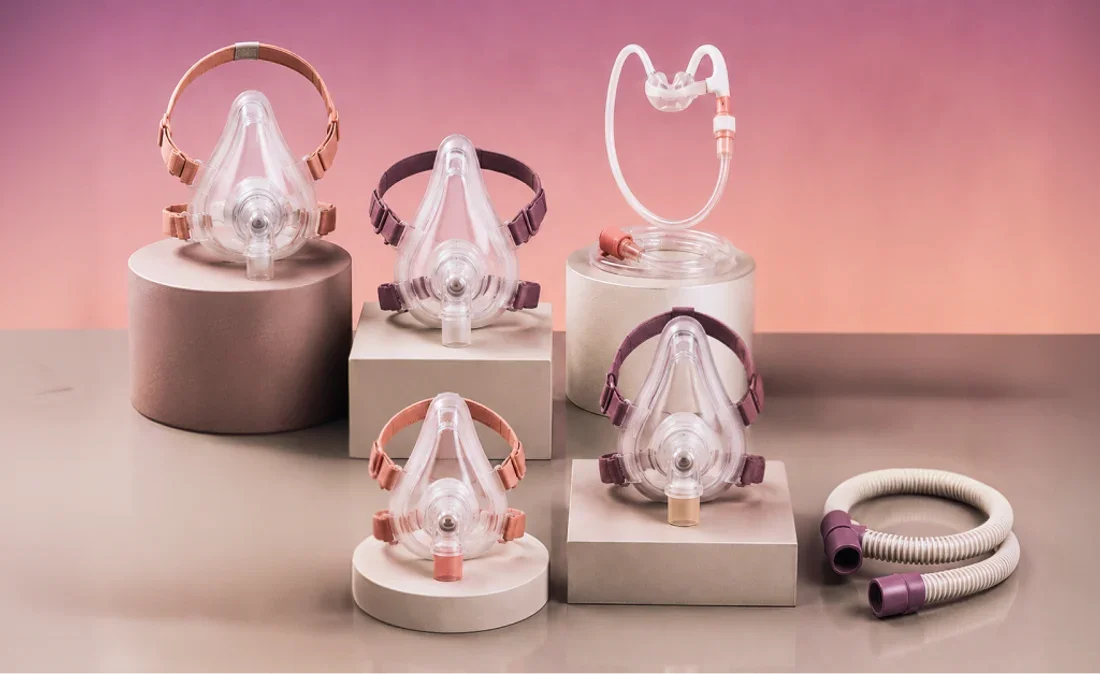
Three interfaces, one rule that never bends: you do not re-breathe your own CO2. What is left is an honest choice between comfort and peak oxygen.

Nasal cannula

Built for comfort

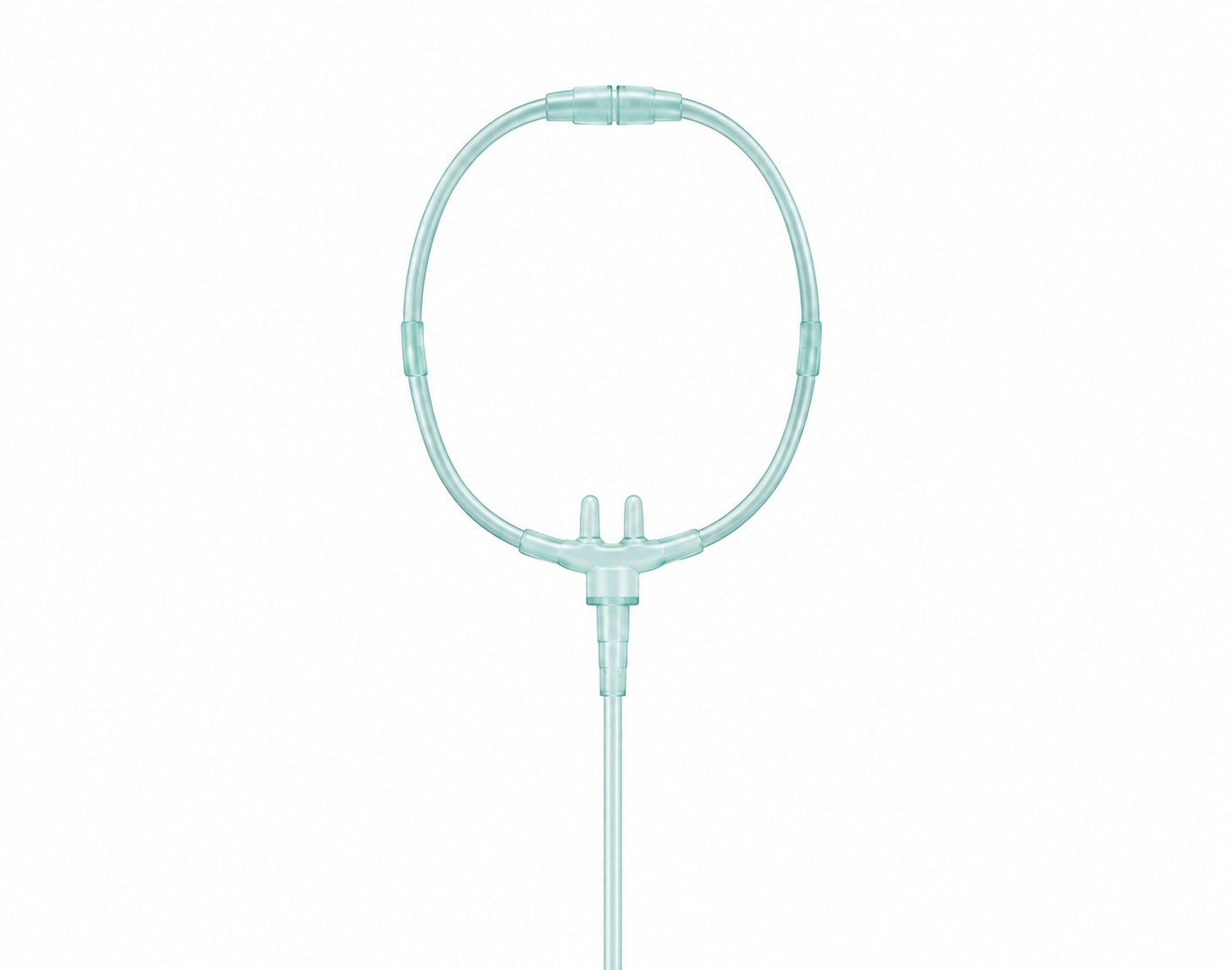
Nasal cannula

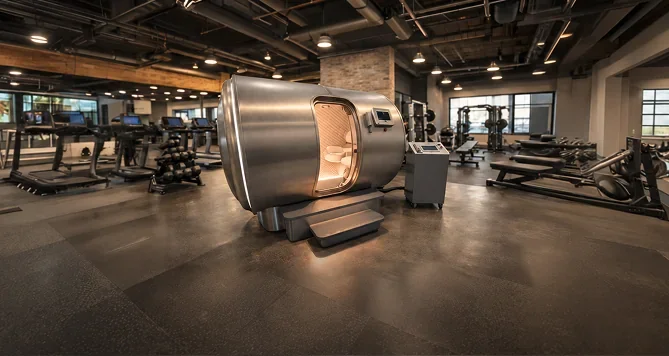
The lightest option, and the one most people settle on: talk, sip water, doze, or row in the gym configurations without thinking about it. Oxygen at the airway is the lowest of the three, but pressure does the heavy lifting.

Oxygen at the airway
~50–55%
Oxygen, compared
Breathing effort
None
Dead space
None
Best for
Comfort, long sessions, exercise
Nasal pillows

Built for purity

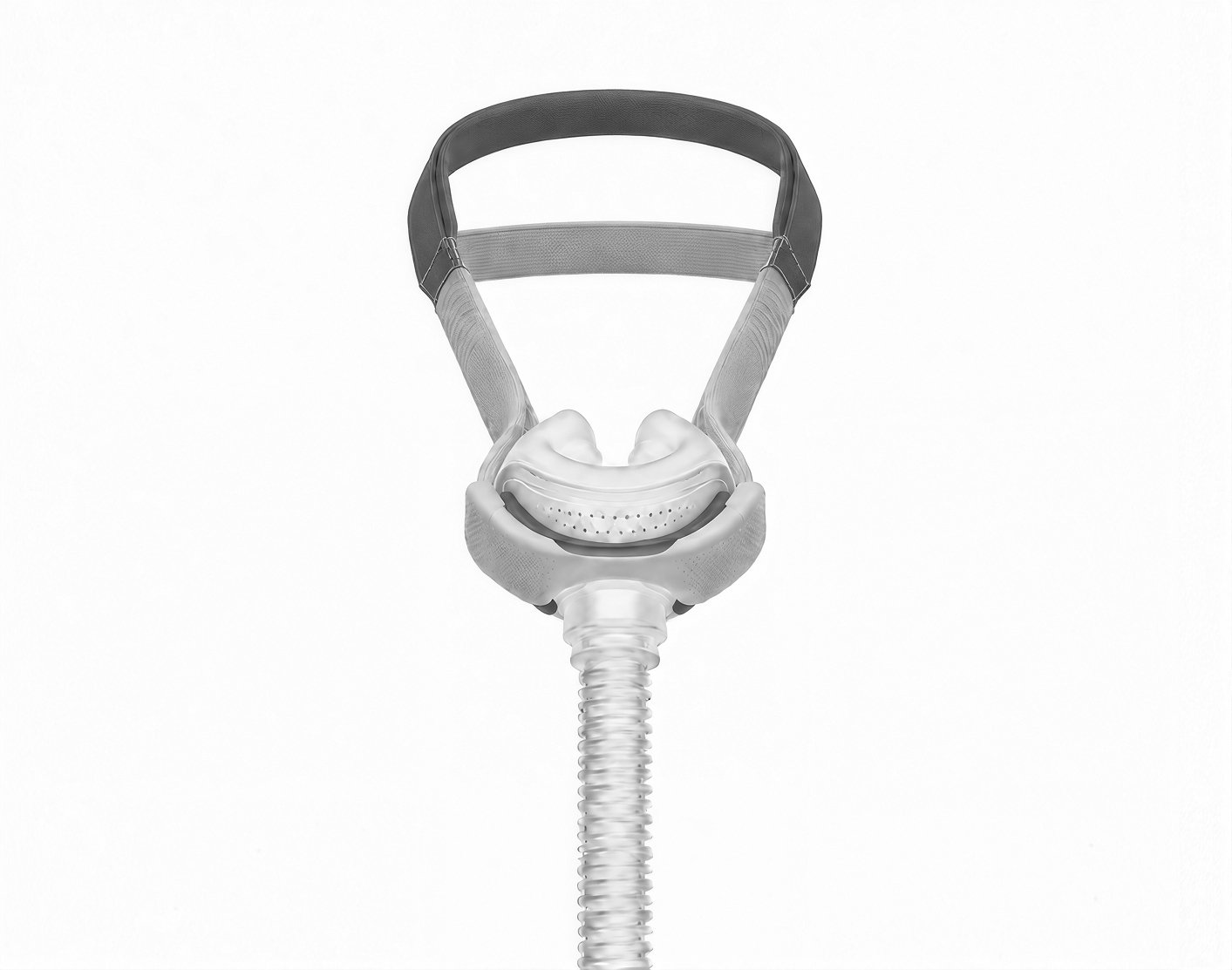
Nasal pillows

Soft silicone buds that seal into the nostrils, so what the concentrator delivers is what you breathe. The only cost is a slight resistance on the exhale, and most people stop noticing it within minutes.

Oxygen at the airway
Highest: undiluted concentrator output
Oxygen, compared
Breathing effort
Slight, on exhale
Dead space
Essentially none
Best for
Peak oxygen
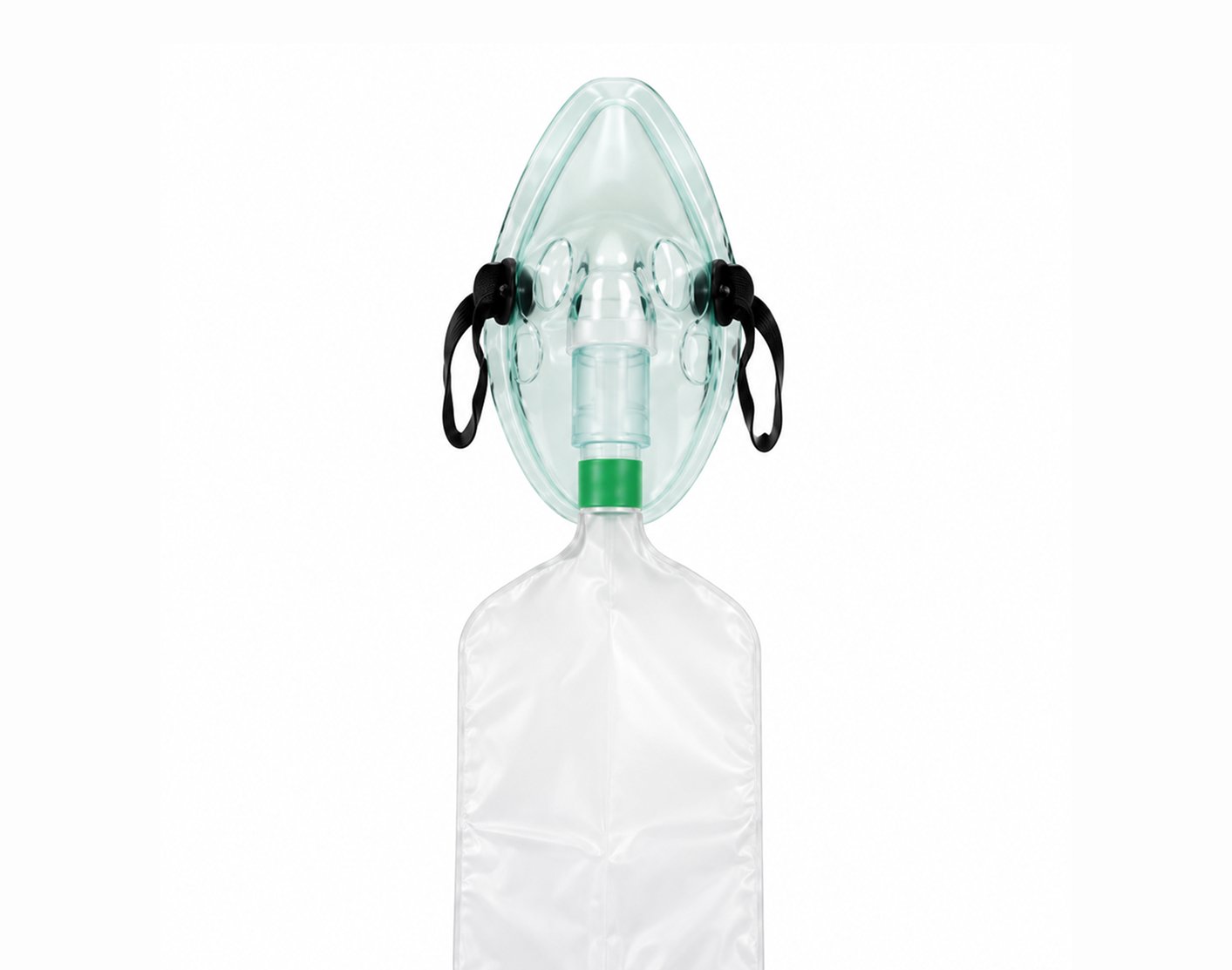
Non-rebreather mask

Built for mouth breathers

Non-rebreather mask

For everyone who cannot run a full session through the nose: congestion, a deviated septum, or simple habit. Covers nose and mouth, with one-way valves and a flushing flow that keep your exhale out of the mask.

Oxygen at the airway
High
Oxygen, compared
Breathing effort
Moderate
Dead space
Controlled by flushing
Best for
Mouth breathing

These figures are for our interfaces inside a chamber at pressure, not hospital charts at sea level. They work because fresh air keeps moving through the chamber, 280 to 940 litres a minute depending on the model, so your exhale is displaced before it can build up. That leaves the interface as a choice between comfort and oxygen, not safety equipment.

OxyLife I, in numbers

Room & fresh air
for one, every day

OxyLife I is built for one. A single seat, sized so the session is somewhere you want to be for an hour, every day.

1
one person per session

Under pressure, more people means more CO2. Continuous ventilation keeps flushing the chamber with fresh air, roughly 280 litres per person every minute.

280
litres of fresh air per minute, per resting person

Proven, not a prototype. More than 3,100 OxyHelp chambers are already installed and running across 50+ countries.

3,100+
chambers in 50+ countries

Time inside adds up. Across the installed base, OxyHelp chambers have run more than 5,000,000 cumulative user hours.

5,000,000+
cumulative user hours
Discover our professional products

Download the
brochure

The full OxyLife range in one PDF. Every model, every spec, every certification, with the detail your team wants before a conversation.

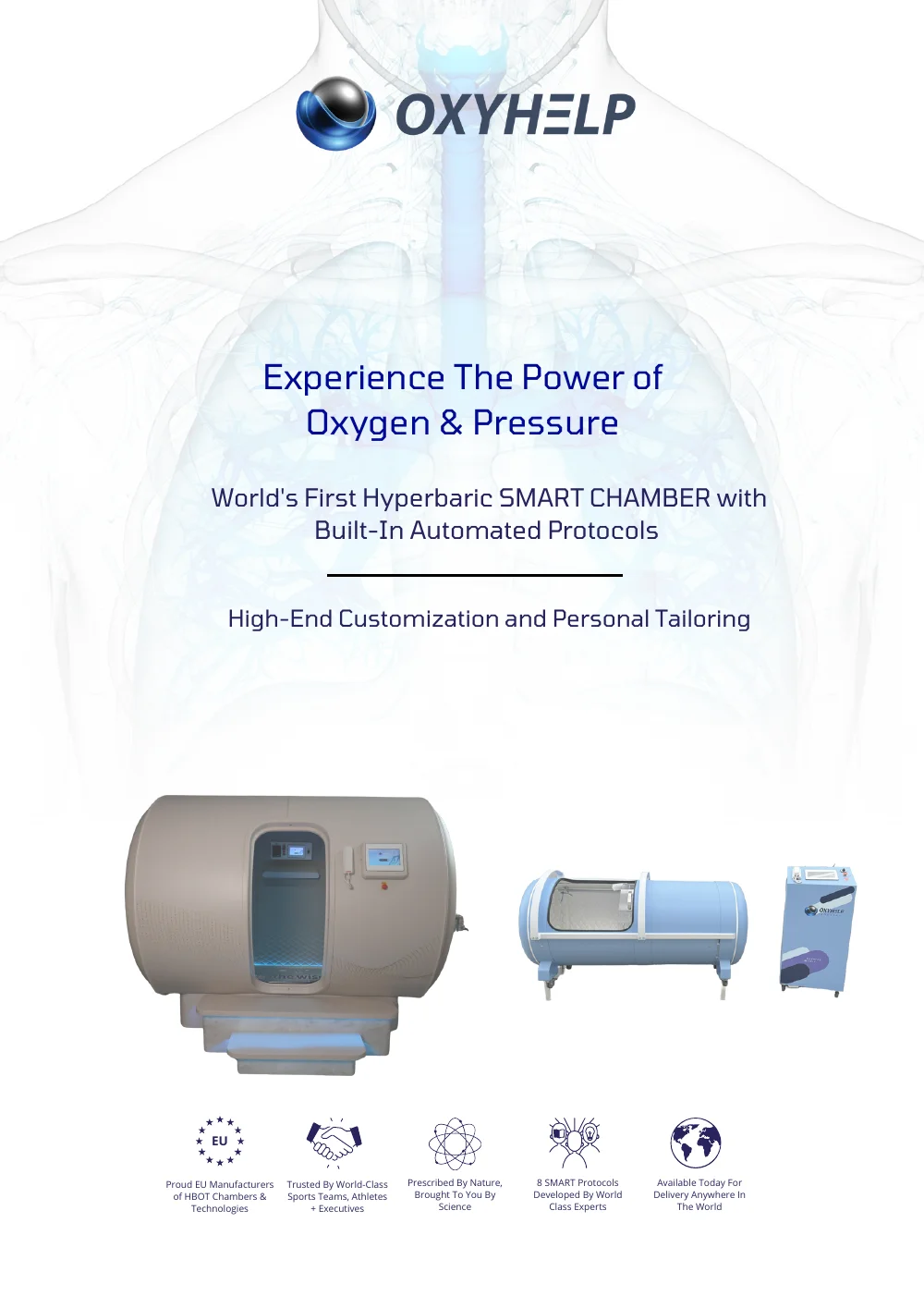
Cover of the OxyHelp brochure: the OxyLife chamber range, Experience the power of oxygen and pressure
Why customers choose us

Easy to install.
Low-maintenance.
Worldwide service.
Adaptable for any business.

FAQ

Common questions

What buyers ask before they commit: what the price includes, how a session runs, safety, and what happens once the warranty is over.

Yes. OxyHelp chambers of different sizes can be installed and used at home, as well as in clinics and wellness centres, provided the space meets the installation requirements. You do not need a member of staff standing beside the chamber to operate valves or manage the pressure throughout a session: the process is automated, and you can control it from the touchscreen inside.

The system works and responds in real time. It measures oxygen and carbon dioxide levels inside the chamber, controls compressor operation and continuously ventilates the chamber with fresh air. The chamber is pressurised with air; concentrated oxygen is delivered separately through the breathing interface. Our patent-pending air-quality architecture is designed to keep oxygen in the chamber atmosphere below 23.5%. If that level is exceeded, the chamber automatically shuts down.

For those who prefer a ready-made programme, an optional package of eight automated Smart Protocols is available. Developed specifically for OxyHelp chambers by Dr Zayd Ratansi, who has more than 26 years of clinical experience and is a member of IHA and IBUM, the protocols let you select a session profile and have the chamber manage its programmed settings.

We’ll review your room, access route and equipment placement to recommend the right chamber and installation plan for your home.

The standard price includes the chamber and its control system. To complete the setup, you need one cooling unit per chamber and one OXYSPA oxygen concentrator per person using it. We list these separately in your quotation, so you can see the full cost of your chosen setup.

OXYSPA is designed specifically to deliver oxygen against the back pressure inside a hyperbaric chamber. It delivers 20 L/min at 1 ATA and 10 L/min in tests at 2 ATA. Its rectangular shape keeps the equipment compact: units can be stacked, or placed in an optional rack. The exhaust can also be routed into suitable building ventilation or outdoors through a window, rather than released into the equipment room.

There is more than one way to bring an OxyHelp chamber into a room. Depending on the model and the access route, it may be delivered fully assembled or brought in as separate sections and assembled on site. This means a doorway that is too narrow for the finished chamber does not necessarily rule out installation.

Before confirming your order, our team checks the entire route, not just the front door. We review the narrowest doorways, corridors, stairs or lift, as well as the space available inside the room. From those measurements, we determine how your chosen chamber can be delivered and installed.

Of course. By 2026, OxyHelp has placed more than 3,100 chambers worldwide, so we can often help you find one to experience near you. Leave your details in our contact form, and a local partner will reach out in a language you’re comfortable with to discuss available locations and arrange a visit.

Every OxyHelp chamber comes with a two-year warranty, which can be extended to five years at purchase. Service and replacement parts remain available after the warranty expires.

Many software issues can be diagnosed and resolved remotely using a Windows laptop. If you notice a technical problem, submit a request at oxyhelp.com/service. Our team will contact you to diagnose the issue and arrange the next steps. When a repair requires a visit, on-site service can be arranged in many locations worldwide.

The main running cost is electricity for the chamber’s compressors, oxygen concentrator and cooling unit. For popular models such as the C2 and C1 E, peak power demand is approximately 6.5 kW. Actual electricity use depends on the chamber configuration and how the equipment operates during a session.

Routine maintenance includes replacing the filters every 800 operating hours or once a year, whichever comes first. You should also allow for personal breathing interfaces, such as nasal cannulas, which are available from pharmacies.

The entrance trim seal needs regular care with a suitable spray. Where shipping arrangements allow, we include this spray in the chamber’s starter pack. Our team will explain the maintenance schedule and provide the relevant instructions when your chamber is installed.

Write to us

Send us a message

We’d love to hear from you. Fill out the form and we’ll get back to you as soon as possible.

Download

Tell us who you are and the download starts right away.