Science & research
What published studies actually say about pressure and oxygen, translated into plain words.
Written by the people who build the chambers. Every article lands in one of the four columns below, and every claim carries its source.
What published studies actually say about pressure and oxygen, translated into plain words.
How owners actually use their chambers, from training days to quiet evenings at home.
Hard shell or soft, what things really cost, and how to choose without regrets.
The factory, the engineers and the decisions behind every shell that leaves it.
Soft inflatable chambers promise the same experience at a fraction of the price. What the pressure numbers say about that claim, and what they leave out.
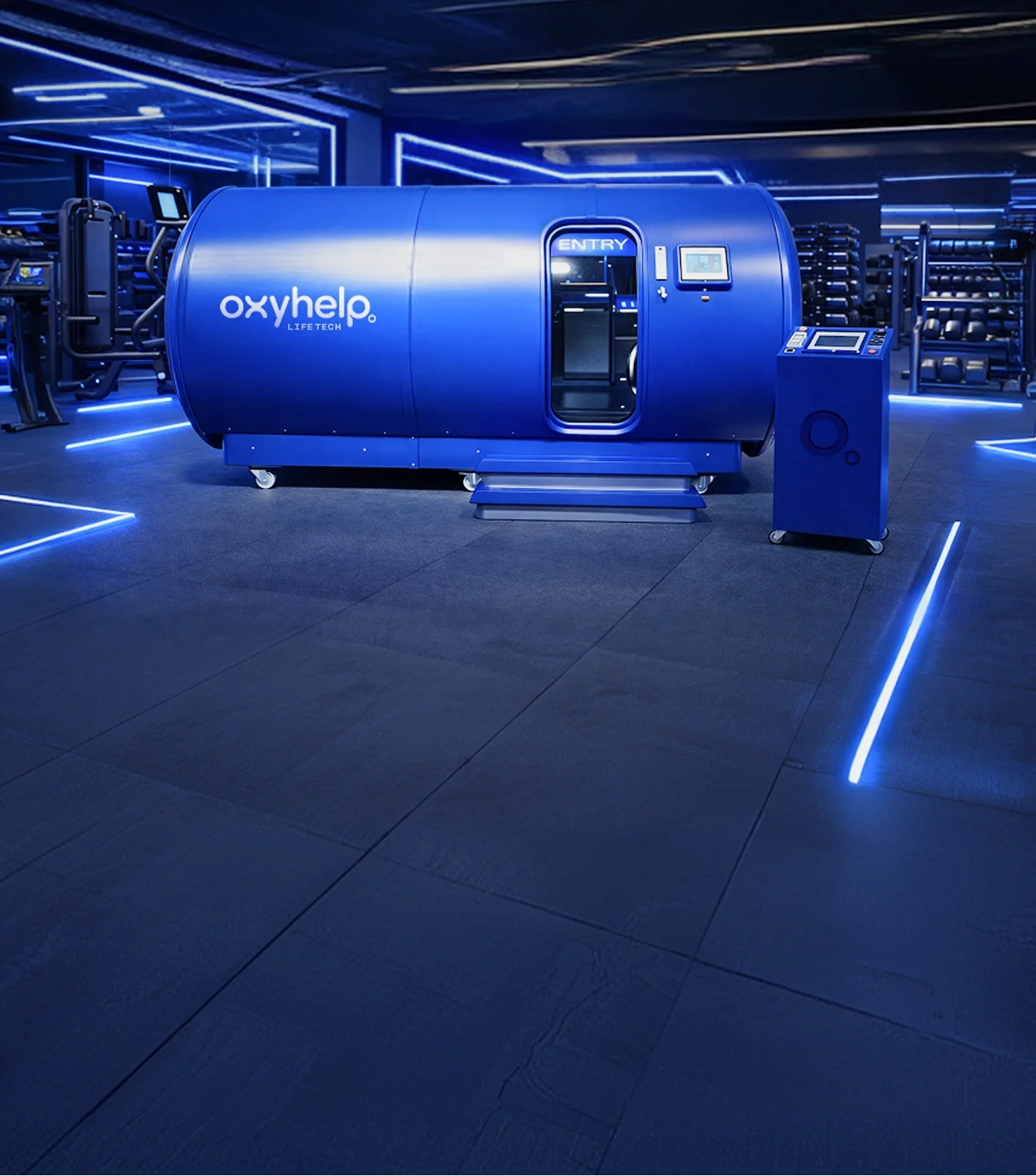
Muscle holds power longer and recovery feels easier, the effect is modest, and the cabin air is the part nobody measures. The retired 2022 article, rewritten on the evidence.
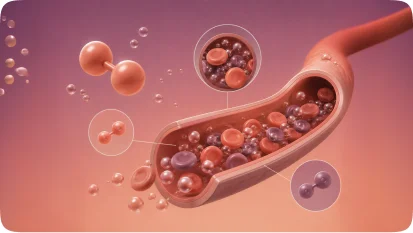
Pure oxygen under pressure stresses the lungs and the nervous system. Why OxyHelp keeps the cabin on ordinary air, with oxygen through a mask, and why that is the point.
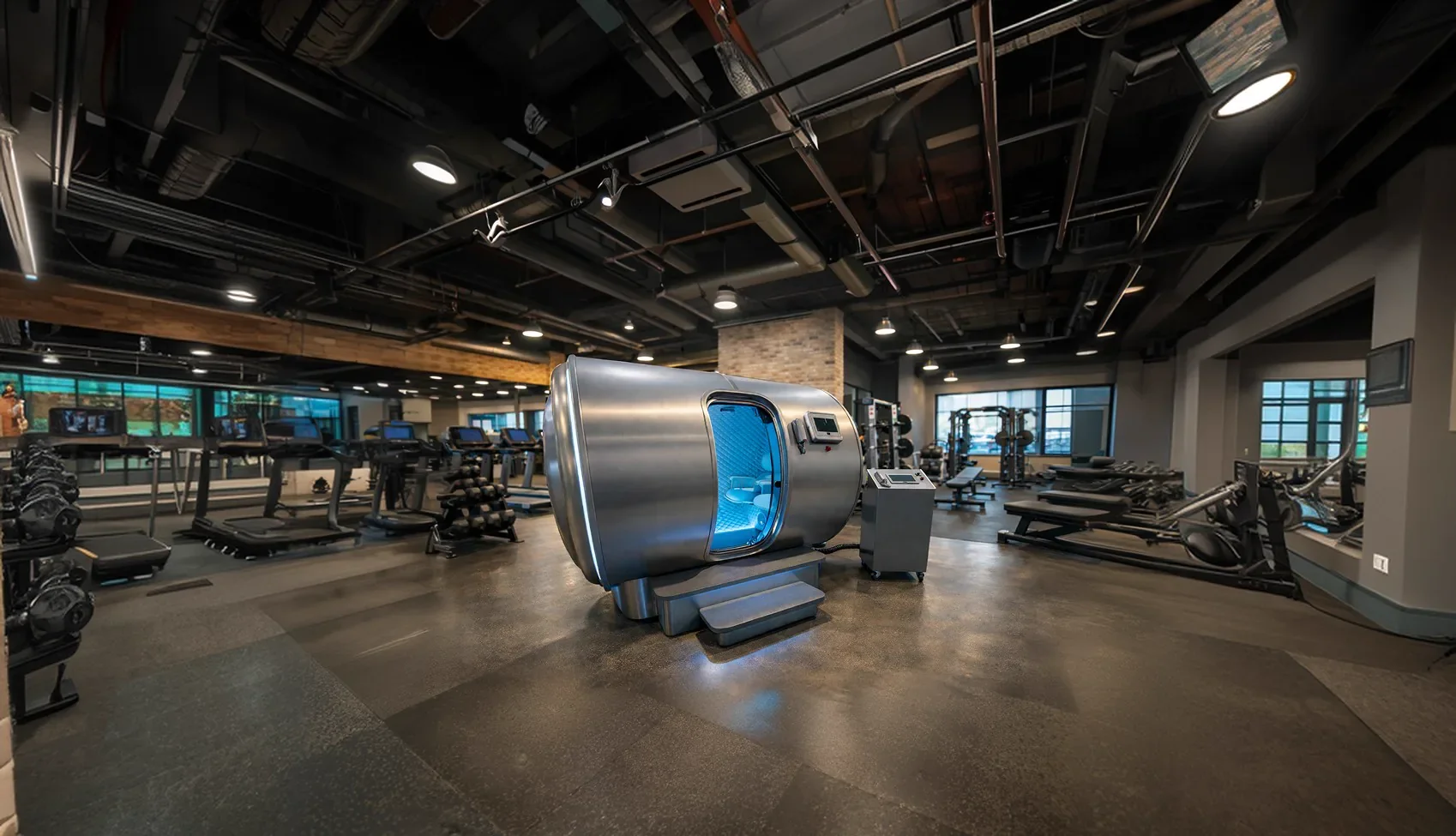
Published studies on hyperoxia and HBO2 during and after exercise: oxygen transport, power output, muscle fatigue and recovery, with the citations.

We are honored to have participated at Arab Health 2019, in sunny Dubai, the leading exhibition fair for healthcare in the Middle East.
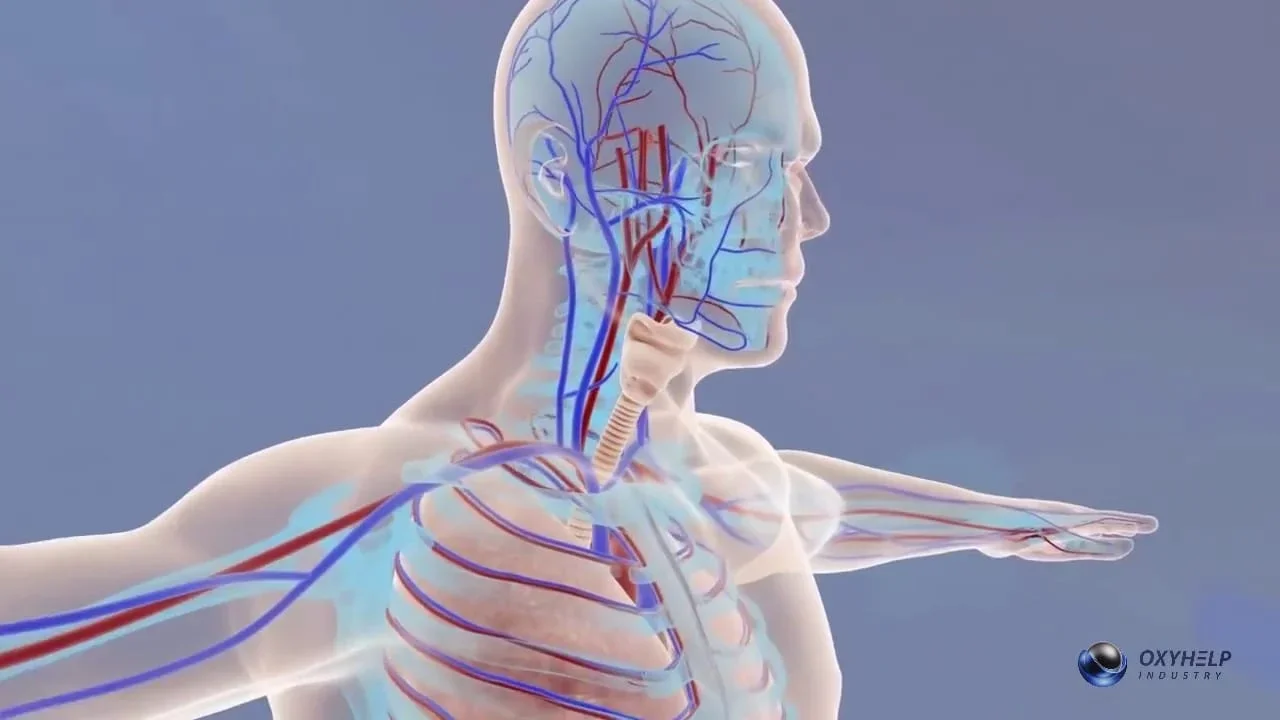
There is extensive research that shows HBOT may have an effect in rejuvenating a patient’s brain by stimulating the production of new blood vessels.
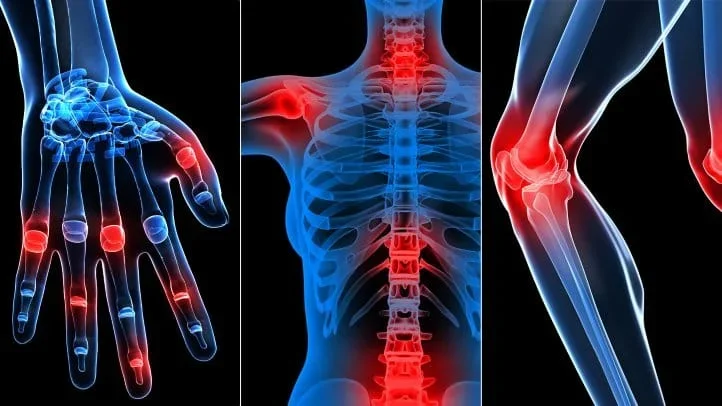
Hypoxia is central to the effects of rheumatoid arthritis. How hyperbaric oxygen therapy is used as an adjunctive treatment alongside regular medical interventions.

If you’re considering HBOT, it’s important to understand the benefits and risks this therapy entails, and to discuss it with a certified healthcare professional.
Short videos from the people who build the chambers: how the physics works, and where the claims stop. Each one opens on Instagram.
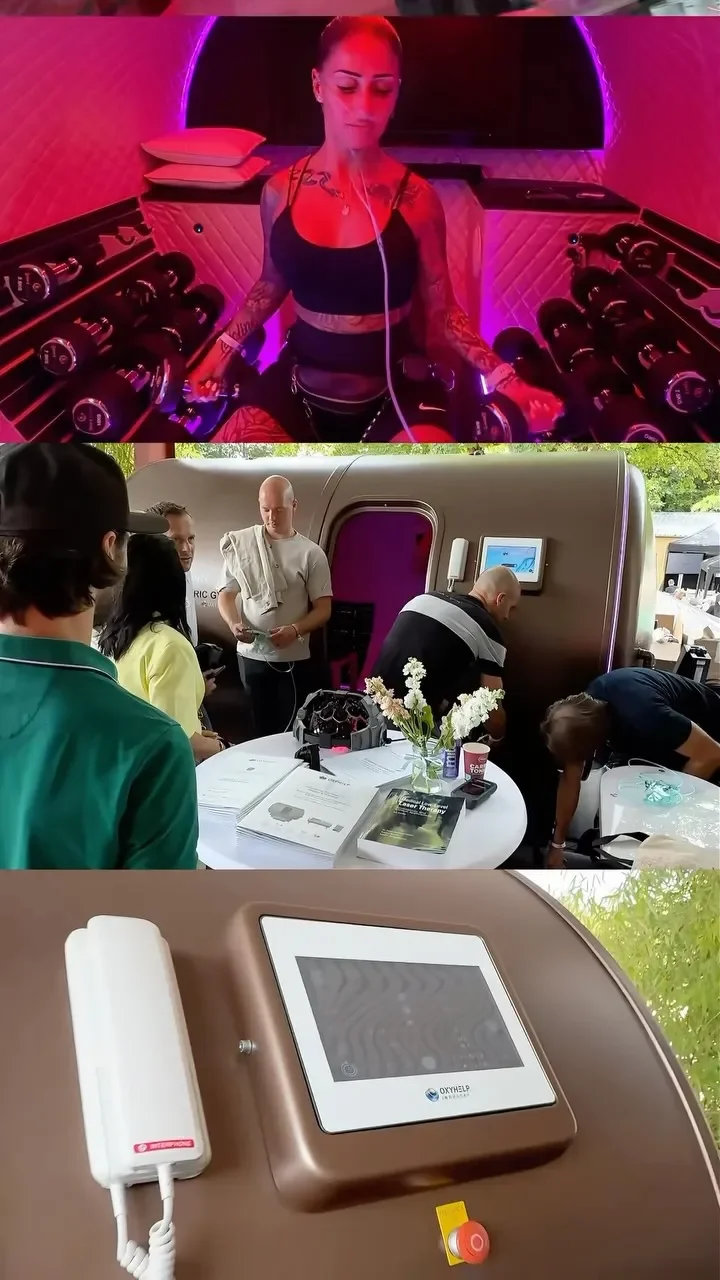
More pressure, more oxygen dissolved in your blood plasma. Physicists call it Henry's Law.

Under pressure, your body moves blood away from healthy tissue and sends it to what's injured or inflamed.
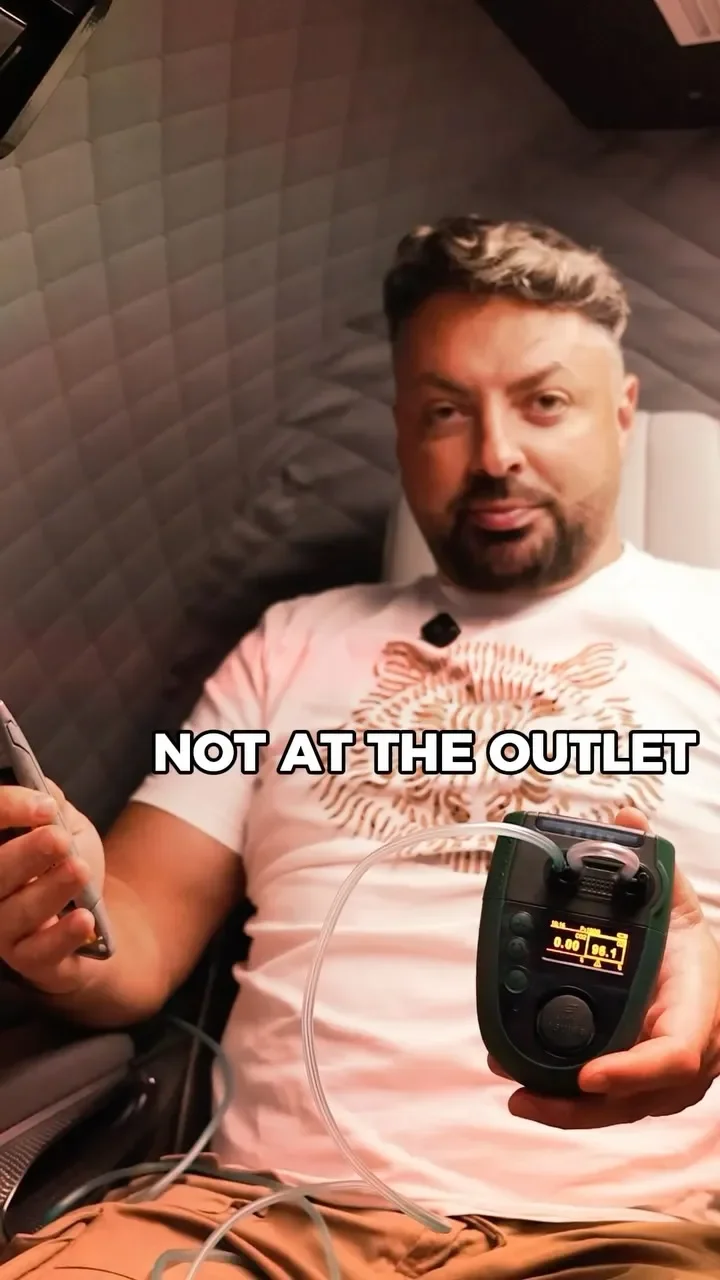
Hospital charts say a nasal cannula delivers little oxygen. Those charts assume low flow, so we measured ours.
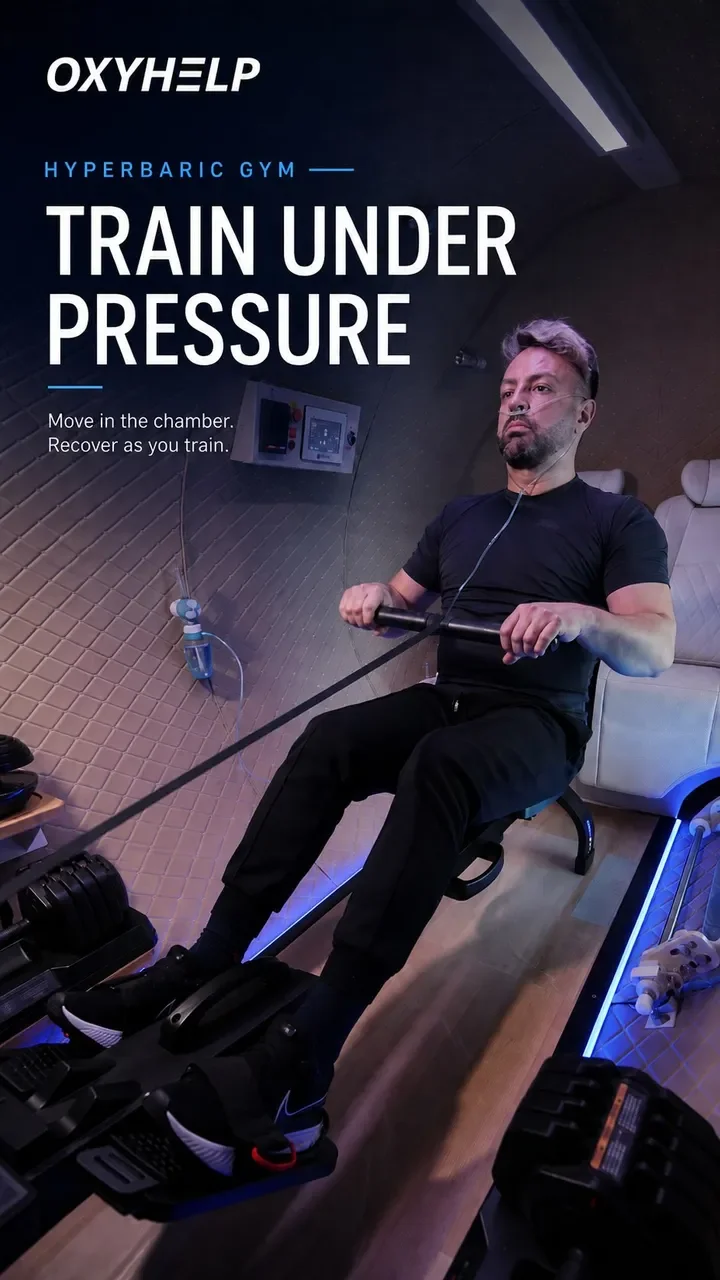
Movement and pressure in the same room, with the air monitored the whole time. Research on training this way is still early.

Nobody walks out of one session a different person. The effect comes from repetition: sessions, not a session.
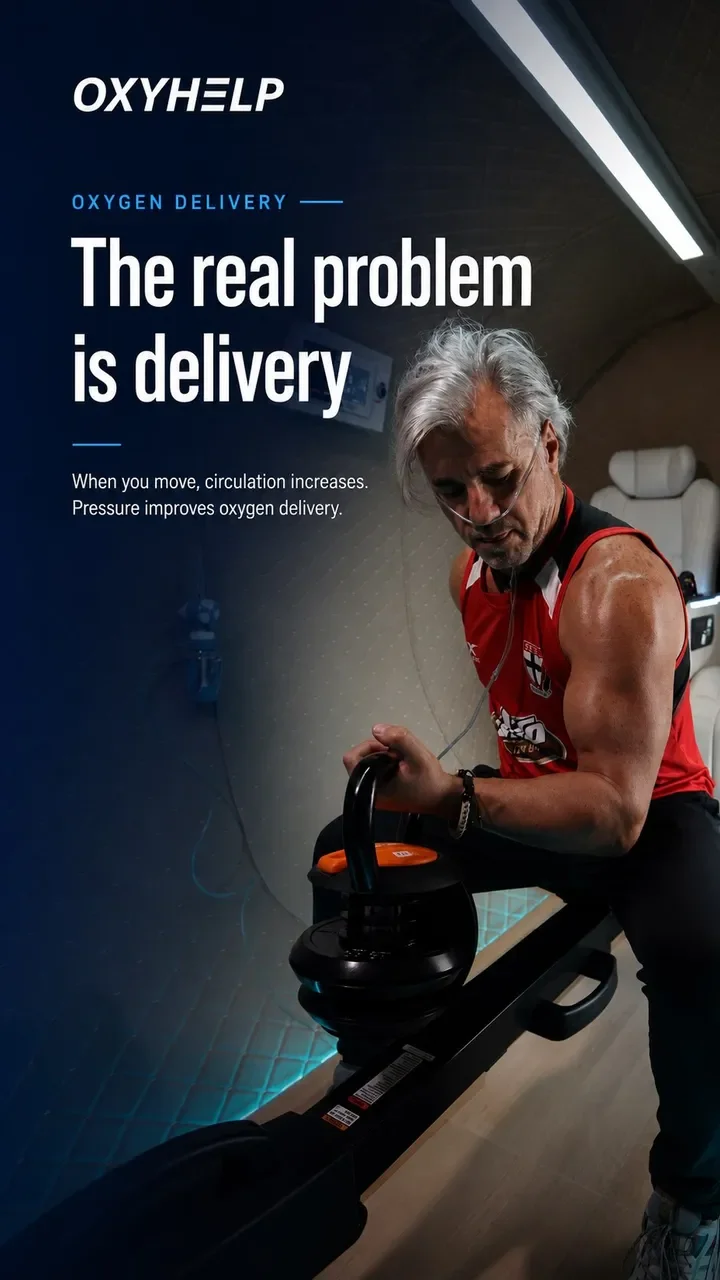
Only one to two percent of oral curcumin reaches the blood. Getting it from the blood into the cell is the other half.
We’d love to hear from you. Fill out the form and we’ll get back to you as soon as possible.
Your message has reached us. Someone from our team will get back to you soon.